Why Is Iron Deficiency More Common in Women? Let’s Talk About It
Okay, let’s have an honest conversation.
Have you been feeling tired lately? Like, really tired? Not just “I stayed up late” tired, but the kind of tired that doesn’t go away even after sleeping?
Do you feel dizzy sometimes? Notice your skin looking paler than usual? Or maybe your hair is falling more than it should?
If you’re a woman and any of this sounds familiar, there’s something you should know: Iron deficiency is extremely common in women. Like, really common.
And no, it’s not in your head. There are actual biological reasons why women lose more iron than men.
So today, let’s talk about iron deficiency in women—why it happens, what it feels like, and what you can do about it. Simple, friendly, no complicated medical talk.
First: What Is Iron Deficiency? (Quick Reminder)
Iron is a mineral. Think of it as a tiny worker in your body whose main job is to help make hemoglobin.
Hemoglobin is the part of your blood that carries oxygen from your lungs to the rest of your body—your brain, your muscles, your heart, everything.
When you don’t have enough iron, your body can’t make enough healthy red blood cells. Less oxygen reaches your organs. And you start feeling… well, terrible.
Doctors call this iron deficiency anemia. But let’s just call it “not enough iron.”
Why Are Women More at Risk?
Here’s the thing: Men can get iron deficiency too. But women? We’re just built differently. Our bodies go through things that men’s bodies don’t.
Here are the main reasons.
1. Periods (The Biggest Reason)
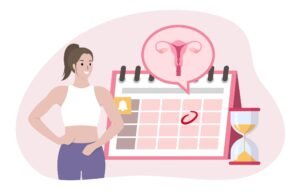
Let’s be real: Every month, during your period, you lose blood. And blood contains iron.
For most women, this is manageable. But if you have:
- Heavy periods (soaking through pads/tampons quickly)
- Long periods (more than 7 days)
- Frequent periods (cycles shorter than 21 days)
…then you’re losing more iron than your body can easily replace.
Think about it: If you lose a lot of blood every single month, your iron stores get drained. It’s like a leak in a bucket. If you don’t refill it, eventually the bucket runs dry.
2. Pregnancy
When you’re pregnant, your body is doing something amazing—growing another human!
But that little human needs iron too. Your body provides iron to the baby, increases your own blood volume, and supports the placenta.
That’s a LOT of extra iron needed.
If you don’t get enough iron during pregnancy (through food or supplements), your stores get depleted. This is why doctors almost always check iron levels in pregnant women.
3. Diet and Eating Habits
Let’s be honest: Many women don’t eat enough iron-rich foods.
Sometimes it’s because of dieting (trying to lose weight, skipping meals). Sometimes it’s because of food preferences (vegetarian/vegan diets without enough iron-rich plant foods). Sometimes it’s just busy life—eating whatever is quick.
And here’s something important: Plant-based iron (from dal, spinach, beans) is harder for your body to absorb than animal-based iron (from meat, eggs). So vegetarians and vegans need to be extra careful.
4. Poor Iron Absorption
Even if you eat iron-rich foods, your body might not absorb it well.
Things that block iron absorption:
- Drinking tea or coffee with meals (the tannins interfere)
- Calcium supplements (take them at different times)
- Some digestive issues (like celiac disease or gut problems)
Things that help iron absorption:
- Vitamin C! (lemon, orange, amla, tomatoes)
So if you eat spinach but drink chai right after, you’re basically canceling out the iron. Small tweaks make a big difference.
5. Teenage Years
Teenage girls are at high risk too.
Why? Because:
- Periods start (hello, monthly blood loss)
- Bodies are growing fast (need more iron for growth)
- Eating habits can be all over the place (skipping meals, junk food)
If you have a teenage daughter or younger sister, pay attention to her energy levels.
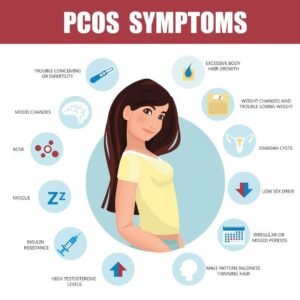
Signs You Might Have Iron Deficiency
Iron deficiency doesn’t happen overnight. It creeps up slowly. You might not even realize something’s wrong until it’s really low.
Here are common signs:
1. Constant Tiredness
Not just sleepy. Deep fatigue. You feel like you have no energy, even after resting. Simple tasks feel exhausting.
2. Pale Skin
Look at your inner eyelids, nails, or palms. If they look paler than usual (less pink, more white), that’s a sign.
3. Shortness of Breath
Climbing stairs leaves you breathless? Walking a short distance makes you pant? Your blood isn’t carrying enough oxygen to your muscles.
4. Dizziness or Lightheadedness
Feeling dizzy when you stand up too fast? Your brain isn’t getting enough oxygen.
5. Hair Loss
Not normal shedding—more than usual. Iron helps hair follicles stay healthy. Low iron = weaker hair.
6. Brittle Nails
Nails that break easily or have a spoon-like shape (curving upward) can be a sign.
7. Restless Legs
Some people with low iron feel an uncomfortable urge to move their legs, especially at night.
8. Brain Fog
Trouble focusing? Forgetful? Your brain needs oxygen to work properly.
What to Do If You Suspect Iron Deficiency
1. Don’t Ignore It
A lot of women live with these symptoms for years, thinking it’s “normal.” It’s not normal to feel exhausted all the time.
2. Get a Blood Test
This is the only way to know for sure. A simple CBC (complete blood count) and iron studies test can tell you.
You don’t need to wait until you’re seriously sick. If you feel off, ask your doctor.
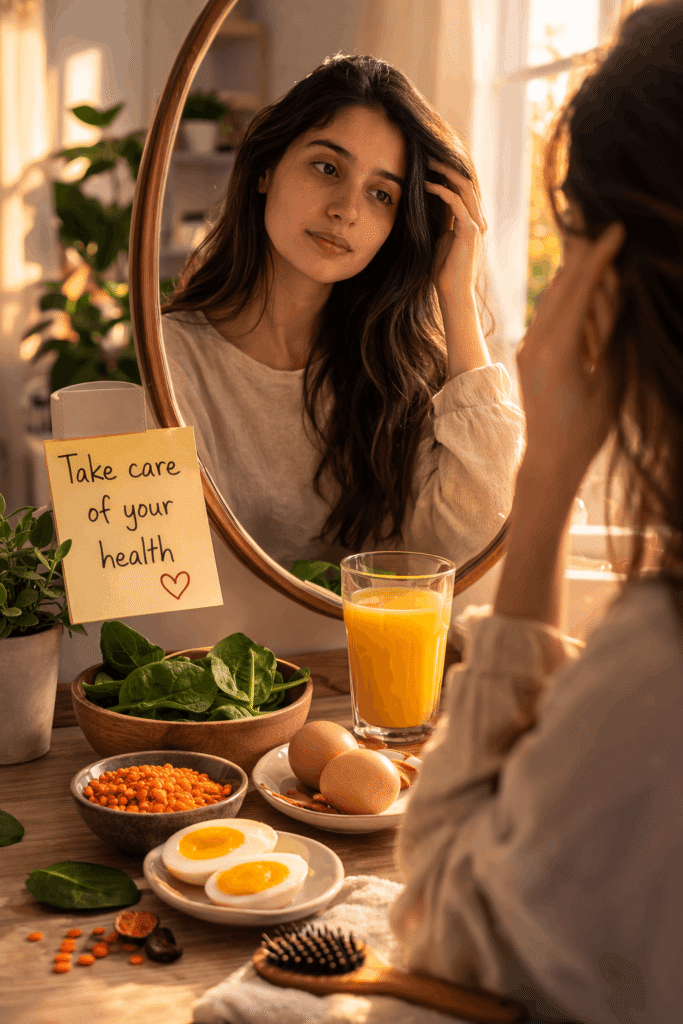
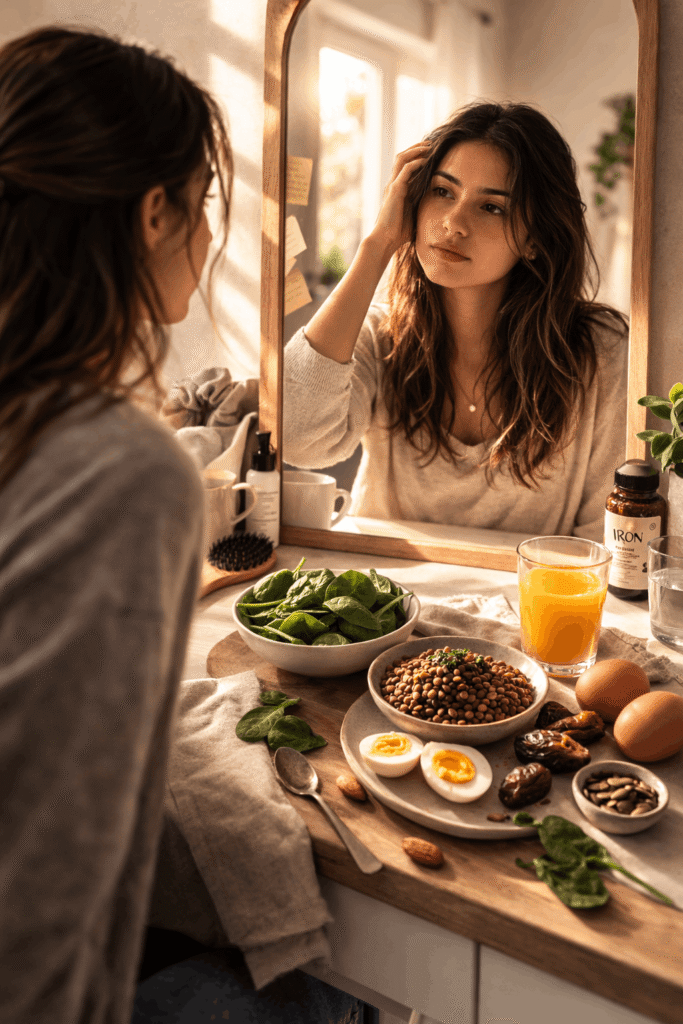
3. Eat More Iron-Rich Foods
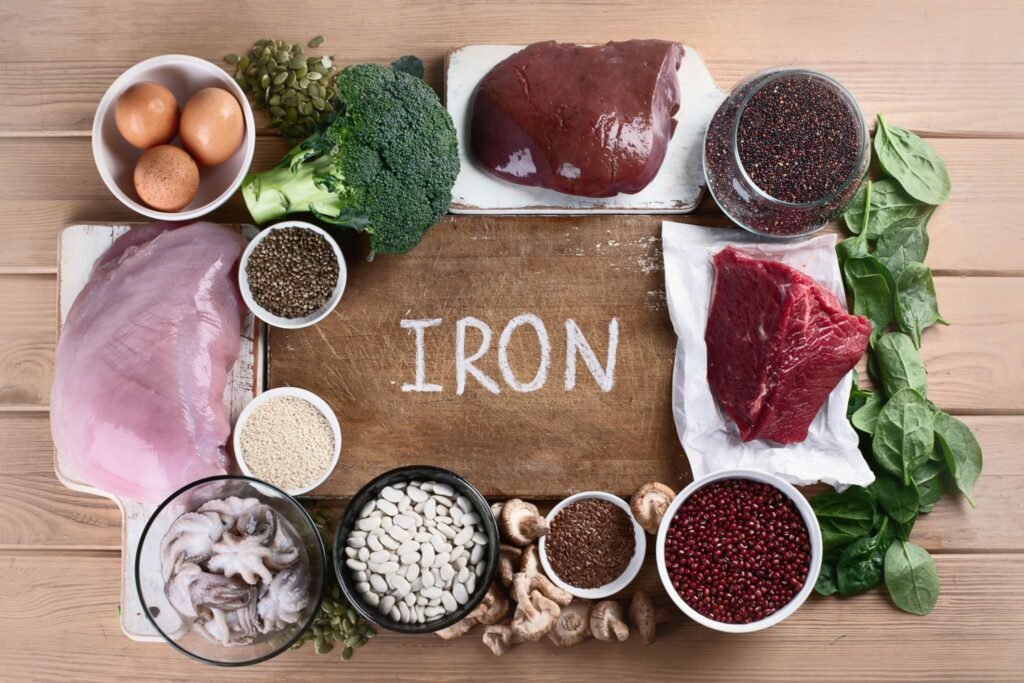
Good sources:
Animal sources (easier to absorb):
- Red meat (in moderation)
- Liver (very high in iron)
- Eggs
- Fish
Plant sources (need vitamin C to absorb well):
- Spinach and leafy greens
- Lentils (dal), chickpeas, beans
- Tofu
- Pumpkin seeds
- Fortified cereals
- Jaggery (gur)
4. Pair with Vitamin C
This is a game-changer.
Eat iron foods with:
- Lemon juice
- Orange
- Amla
- Tomatoes
- Bell peppers
Example: Dal with a squeeze of lemon. Spinach salad with orange slices. This helps your body absorb more iron.
5. Be Careful with Tea and Coffee
Try to avoid drinking chai or coffee right before or right after meals. Wait at least an hour. The tannins in tea/coffee block iron absorption.
6. Consider Supplements (With Doctor’s Advice)
If your iron is very low, food alone might not be enough. Your doctor may recommend iron tablets.
But don’t start supplements on your own. Too much iron can be harmful. Get tested first.
Iron Deficiency vs. Anemia: What’s the Difference?
This confuses people.
- Iron deficiency = your iron stores are low (early stage)
- Anemia = your hemoglobin is low (more advanced)
You can have iron deficiency without full anemia. And you can feel symptoms even before you’re “anemic.”
So don’t wait until you’re severely low. Catch it early.
Special Note for Vegetarians/Vegans
If you don’t eat meat, you need to be more intentional about iron.
- Eat more lentils, beans, tofu, leafy greens
- Add vitamin C to every meal
- Avoid tea/coffee with meals
- Consider getting tested once a year
Many vegetarians manage fine—just be aware.
Final Thoughts (From One Woman to Another)
Look, I know life is busy. We’re juggling work, home, family, relationships. It’s easy to ignore how we feel and just push through.
But here’s the thing: Your body talks to you. That tiredness? That dizziness? That hair falling more than usual? It’s trying to tell you something.
Iron deficiency is common. It’s fixable. But you have to pay attention.
If you’ve been feeling off, don’t brush it aside. Get tested. Eat better. Take care of yourself.
Because you deserve to feel energetic, strong, and healthy. Not tired and weak all the time.
Take care of you. ❤️
Quick Summary:
| Factor | Why Women Are at Risk |
|---|---|
| Periods | Monthly blood loss = iron loss |
| Pregnancy | Baby needs iron too |
| Diet | Many don’t eat enough iron foods |
| Absorption issues | Tea/coffee block iron |
| Teen years | Growth + periods = high need |
| Iron-Rich Foods | How to Absorb Better |
|---|---|
| Meat, liver, eggs | Add vitamin C (lemon, orange) |
| Dal, spinach, beans | Avoid tea/coffee with meals |
| Fortified cereals | Eat iron + C together |
Disclaimer:
This is friendly advice based on general health information. I’m not a doctor. If you have symptoms or concerns, please get tested and talk to a healthcare professional.