What Is PCOS? And Why Does It Happen? Let’s Talk About It
Okay, let’s have an honest conversation.
You’ve probably heard the term PCOS before. Maybe a friend mentioned it. Maybe your doctor said it. Maybe you’ve been googling your symptoms and this word keeps popping up.
And honestly? It sounds scary. “Polycystic Ovary Syndrome” feels like a complicated medical thing that’s hard to understand.
But here’s the truth: PCOS is actually very common. Millions of women have it. And once you understand what’s really going on in your body, it becomes way less scary.
So today, let’s sit like friends and talk about what is PCOS, why it happens, and what you can do about it. No complicated medical jargon. Just simple, real talk.
First: What Is PCOS? (In Simple Words)
PCOS stands for Polycystic Ovary Syndrome.
Let’s break that down:
- Poly = many
- Cystic = small fluid-filled sacs (cysts)
- Ovary = the part of your body that stores eggs
- Syndrome = a group of symptoms that happen together
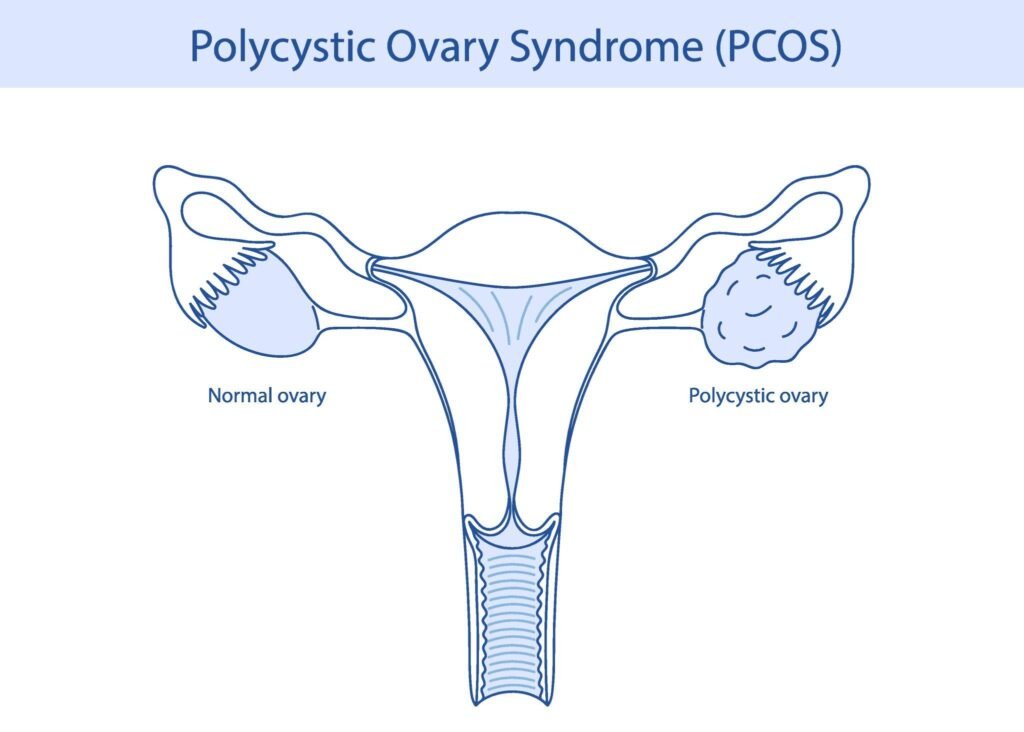
So literally, it means “many cysts on the ovaries.”
But here’s the thing—the name is a bit misleading. You don’t actually need to have cysts on your ovaries to have PCOS. The real problem is hormones.
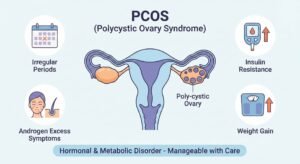
In simple words: PCOS is a condition where your hormones are out of balance. Your body produces higher levels of “male hormones” (androgens) than it should. This messes with your monthly cycle and causes other symptoms.
Think of it like this: Your body is an orchestra. Normally, all the instruments (hormones) play together beautifully. With PCOS, some instruments are too loud, some are too quiet, and the music sounds… off.
What Causes PCOS? (Why Does It Happen?)
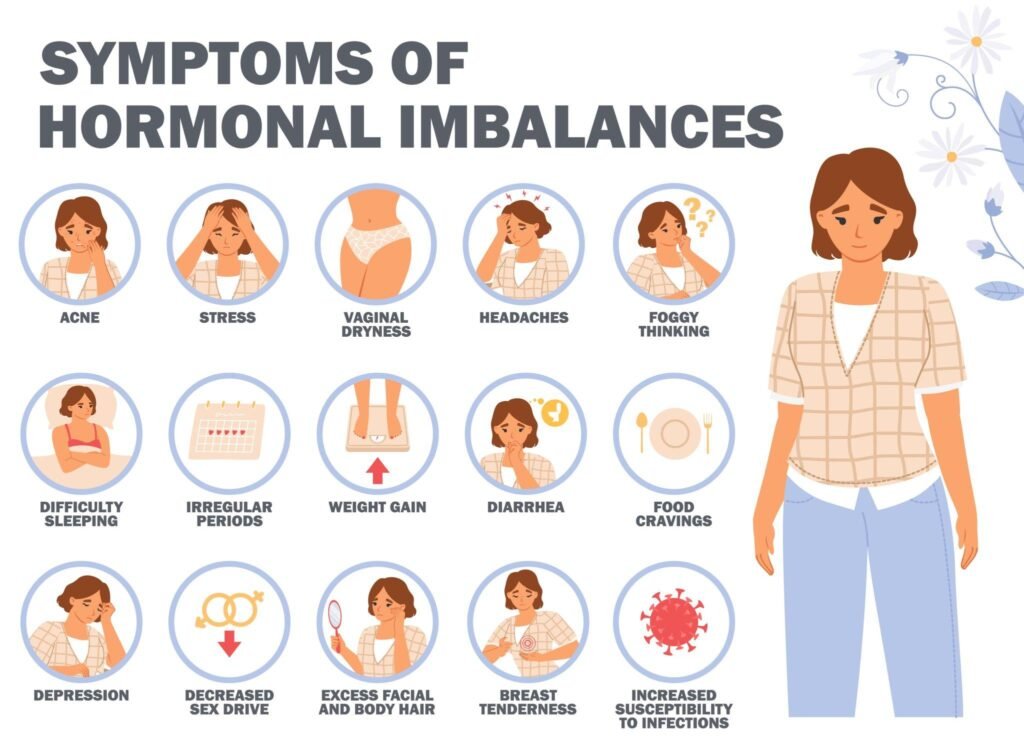
This is the million-dollar question. And honestly? Doctors don’t know the exact single cause. But research shows a few things that play a big role.
1. Hormone Imbalance
In a normal cycle, your ovaries release an egg every month. This happens because of a careful dance between different hormones.
With PCOS, that dance is messy. You have higher levels of androgens (male hormones like testosterone). This can stop you from ovulating regularly. No ovulation = irregular periods or no periods at all.
2. Insulin Problems
This is a big one.
Insulin is a hormone that controls your blood sugar. In many women with PCOS, the body doesn’t respond to insulin properly. Doctors call this insulin resistance.
So your body makes MORE insulin to try to keep blood sugar normal. High insulin levels can then make your ovaries produce more male hormones. It’s a vicious cycle.
This is why PCOS and weight gain often go together—and why diet matters so much.
3. Genetics (It Runs in Families)
If your mother, sister, or grandmother had PCOS, you’re more likely to have it too.
It’s not 100% guaranteed, but there’s definitely a genetic link. So if close family members have irregular periods, diabetes, or struggled with fertility, pay attention.
4. Inflammation
Some studies show that women with PCOS have higher levels of inflammation in their bodies. Inflammation can make insulin resistance worse and mess with hormones.
This is one reason why anti-inflammatory foods (like veggies, fruits, healthy fats) can help.
Common Symptoms of PCOS
Here’s the tricky thing about PCOS—no two women have exactly the same symptoms.
Some women have all the symptoms. Some have just a few. Some don’t even know they have it until they try to get pregnant.
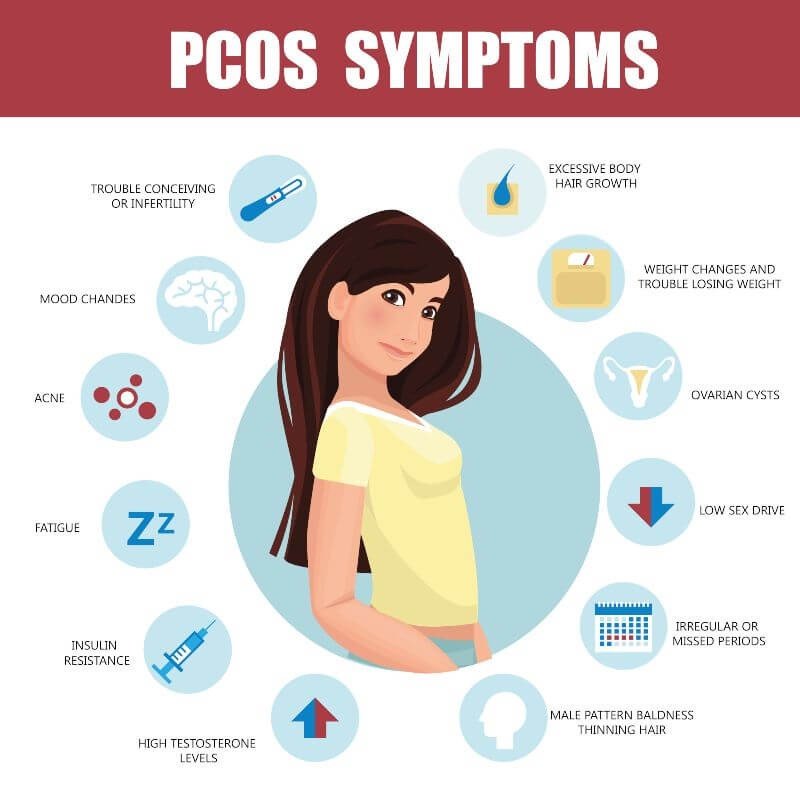
But here are the most common signs:
1. Irregular Periods
This is the biggest red flag. If your periods are:
- Coming every 35+ days (or less than 21 days)
- Skipping months at a time
- Stopping completely (and you’re not pregnant)
PCOS could be the reason.
2. Excess Hair Growth (Hirsutism)
Because of higher male hormones, you might notice:
- Hair on your face (chin, upper lip)
- Hair on your chest, stomach, or back
- Darker, thicker hair in places you don’t expect
This is completely normal with PCOS, but it can be upsetting. You’re not alone.
3. Acne
Those stubborn pimples that won’t go away? Hormones might be the cause. PCOS-related acne often shows up on the lower face, jawline, chest, and upper back.
4. Weight Gain (Especially Around the Belly)
Many women with PCOS struggle with weight, especially around the middle. Insulin resistance makes it harder to lose weight and easier to gain it.
5. Hair Thinning
While hair grows in unwanted places, the hair on your head might thin out. This is called androgenic alopecia. It’s not balding, but hair may look thinner, especially at the front.
6. Dark Skin Patches
Some women develop dark, thick, velvety patches of skin. Usually on the neck, armpits, groin, or under breasts. This is called acanthosis nigricans and is linked to insulin resistance.
7. Trouble Getting Pregnant
Because ovulation is irregular or doesn’t happen, getting pregnant can be harder with PCOS. But—and this is important—many women with PCOS do get pregnant, sometimes with treatment, sometimes naturally.
8. Mood Swings
PCOS can mess with your emotions too. Higher rates of anxiety and depression are common. This is partly hormonal, partly the stress of dealing with symptoms.
Is PCOS Dangerous?
Let’s be clear: PCOS itself is not life-threatening.
But if left untreated (or unmanaged) for years, it can increase your risk for other health problems:
- Type 2 diabetes (from insulin resistance)
- High blood pressure
- Heart disease
- Sleep apnea
- Endometrial cancer (if you go too long without periods, the uterine lining builds up)
This sounds scary, but here’s the good news: Managing PCOS reduces these risks dramatically.
You have control. Lifestyle changes and treatment make a huge difference.
What to Do If You Think You Have PCOS
If these symptoms sound familiar, here’s what to do:
1. See a Doctor (Gynecologist or Endocrinologist)
Don’t self-diagnose. Other conditions can look like PCOS.
The doctor will:
- Ask about your symptoms and cycle
- Do a blood test (check hormones, blood sugar, cholesterol)
- Maybe do an ultrasound (to look at your ovaries)
2. Don’t Panic
Seriously. PCOS is common. It’s manageable. You’re not broken.
3. Start Tracking Your Cycle
Download a period app. Note:
- When periods come (or don’t)
- How you feel
- Any symptoms
This helps YOU and your doctor.
Can PCOS Be Cured?
Honest answer: There’s no “cure” for PCOS. It’s a chronic condition, like diabetes or high blood pressure.
But—and this is important—it can be managed very well.
Many women with PCOS live completely normal lives. They have regular periods. They get pregnant. They feel good.
The key is finding what works for YOUR body.
Lifestyle Changes That Help PCOS
Before medicines, doctors often recommend lifestyle changes. These work for many women:
1. Manage Your Weight
You don’t need to lose 20 kilos overnight. Even losing 5-10% of your body weight can regulate periods and improve symptoms.
Small changes add up.
2. Eat PCOS-Friendly Foods
Focus on:
- Protein (eggs, fish, chicken, dal, paneer)
- Fiber (veggies, fruits, whole grains)
- Healthy fats (nuts, seeds, avocado, olive oil)
- Low sugar (cut back on sweets, soda, white bread)
Limit processed foods and sugary drinks—they spike insulin.
3. Move Your Body
Exercise helps your body use insulin better. You don’t need to run marathons:
- Brisk walking (30 mins daily)
- Yoga
- Dancing
- Swimming
Find something you enjoy!
4. Manage Stress
Stress makes hormones worse. Try:
- Deep breathing
- Meditation
- Talking to someone
- Doing things you love
5. Sleep Well
Poor sleep messes with insulin and hormones. Aim for 7-8 hours.
Medical Treatments for PCOS
Depending on your symptoms and goals, doctors might suggest:
- Birth control pills (to regulate periods and reduce male hormones)
- Metformin (helps with insulin resistance)
- Anti-androgen medications (for hair growth/acne)
- Fertility treatments (if trying to conceive)
Always discuss options with your doctor. What works for one person may not work for another.
Final Thoughts (From Someone Who Cares)
If you’re reading this and thinking, “This sounds like me,” please know:
You’re not alone. PCOS affects 1 in 10 women. That’s millions of us.
And while PCOS can be frustrating—the symptoms, the weight struggles, the hair, the irregular periods—it doesn’t define you.
With the right information, the right support, and the right habits, you can manage PCOS and live a full, healthy, happy life.
Listen to your body. Be kind to yourself. And don’t be afraid to ask for help.
You’ve got this. ❤️
Quick Summary:
| Topic | Key Point |
|---|---|
| What is PCOS | Hormone imbalance with high male hormones |
| Main causes | Insulin resistance, genetics, inflammation |
| Common symptoms | Irregular periods, hair growth, acne, weight gain |
| Is it curable? | No, but very manageable |
| Best treatments | Lifestyle changes + medical help |
| See a doctor if | Periods irregular, symptoms bother you |
Disclaimer:
This is friendly advice based on general health information. I’m not a doctor. If you think you have PCOS or have health concerns, please consult a healthcare professional.