Irregular Periods? Let’s Talk About What You Can Do
Hey, let’s talk about something that affects almost every woman at some point.
Your periods.
Some months it comes right on time. Other months? It’s late. Or early. Or sometimes it just… doesn’t show up at all. And you’re left wondering, “What’s going on down there?”
First thing first: Don’t panic.
Irregular periods are super common. And in many cases, they’re temporary—caused by stress, lifestyle changes, or just your body being… well, a body.
But that doesn’t mean you should ignore them. Your period is like your body’s monthly report card. When something’s off, it’s trying to tell you something.
So today, let’s have a friendly chat about irregular periods—what counts as “irregular,” why it happens, and what you can actually do about it.
First: What Does “Irregular Period” Really Mean?
Let’s clear this up because a lot of women worry unnecessarily.
A “normal” cycle can be anywhere from 21 to 35 days. Yes, that’s a big range! So if your cycle is 28 days one month and 32 days the next, that’s probably fine.
Doctors usually consider periods “irregular” when:
- Your cycle is shorter than 21 days or longer than 35 days regularly
- You skip periods for months (and you’re not pregnant)
- Your period comes at totally different times every month (unpredictable)
- You have extremely heavy bleeding (soaking through pads/tampons every hour)
- You have very light bleeding (just spotting for 1-2 days)
- You have severe pain that stops you from doing normal things
If any of these sound like you, pay attention. But again—don’t panic. Let’s understand why this happens.
Why Do Periods Become Irregular?
There are so many reasons. Some are totally normal. Others might need a doctor’s help.
1. Stress (The Biggest Culprit)
Seriously, stress messes with everything—including your periods.
When you’re stressed, your body produces a hormone called cortisol. Too much cortisol can mess with the hormones that control your period (estrogen and progesterone). Result? Late periods, missed periods, or weird cycles.
If you’ve been going through a tough time—work pressure, relationship issues, money worries—your period might reflect that.
2. Sudden Weight Changes
Losing or gaining a lot of weight quickly can shock your system.
- Too much weight loss? Your body might think resources are low and “pause” periods (it happens with crash dieting).
- Rapid weight gain? Fat cells produce estrogen. Too much estrogen can throw off your cycle.
Your body likes balance. Extreme changes confuse it.
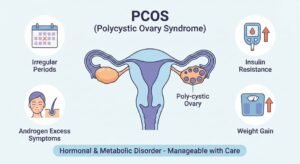
3. PCOS (Polycystic Ovary Syndrome)
This is one of the most common reasons for irregular periods.
In simple words: With PCOS, your hormones are out of balance. You might have higher male hormones, which can stop ovulation. No ovulation = no period (or very irregular ones).
Other signs of PCOS:
- Weight gain (especially around belly)
- Acne
- Excess facial hair
- Hair thinning on head
If this sounds like you, please see a doctor. PCOS is manageable.
4. Thyroid Problems
Your thyroid is a small gland in your neck that controls metabolism. If it’s too active (hyperthyroid) or not active enough (hypothyroid), it can mess with your periods.
Thyroid issues often run in families. If your mom or sister has thyroid problems, pay attention.
5. Too Much Exercise
Yes, exercise is good. But too much? Without enough food/rest? That can stress your body and stop periods.
This happens a lot with athletes or women who suddenly start intense training. Your body basically says, “We’re under too much pressure—pause the reproductive system.”
6. Birth Control
Starting or stopping birth control pills can make periods irregular for a few months. The pill contains hormones, so when you stop, your body needs time to readjust.
IUDs (especially hormonal ones) can also cause irregular bleeding, especially in the first few months.
7. Perimenopause (For Women in 40s)
As you get closer to menopause (usually late 40s), periods often become irregular. Cycles get shorter or longer. Bleeding gets lighter or heavier. It’s normal—your ovaries are slowing down.
8. Pregnancy (Obvious but Important)
If your period is late and you’ve been sexually active, take a pregnancy test. Sometimes spotting in early pregnancy is mistaken for a light period.
What Can You Do About Irregular Periods?
Okay, so now you know why it happens. Let’s talk about what you can actually do.
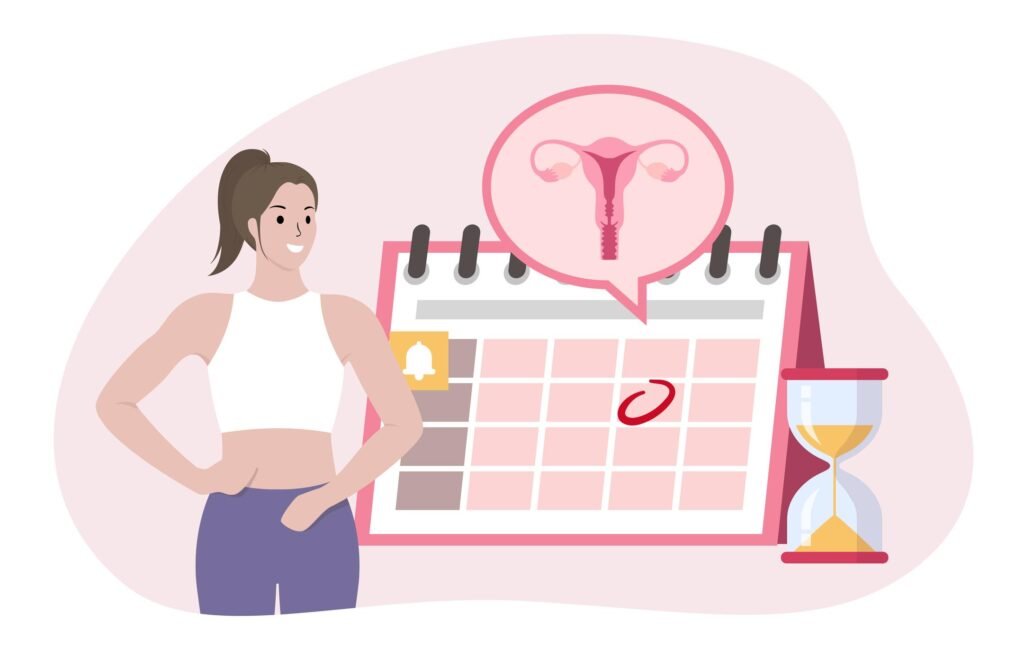
1. Track Your Cycle
This is the simplest, most powerful thing you can do.
Download a period tracking app (there are many free ones) or just mark on a calendar. Note:
- When your period starts and ends
- How heavy the flow is
- Any pain or other symptoms
- How you’re feeling emotionally
After 2-3 months, you’ll see patterns. This info is gold—for you AND your doctor.
2. Manage Stress (Easier Said Than Done, I Know)
But really, stress affects everything.
Try:
- Deep breathing (5 minutes a day)
- Going for walks
- Talking to a friend
- Cutting back on caffeine
- Saying “no” to things that drain you
Your period will thank you.
3. Eat Balanced Meals
Don’t starve yourself. Don’t crash diet. Eat:
- Protein (dal, eggs, fish, chicken, paneer)
- Healthy fats (nuts, seeds, avocado, ghee)
- Complex carbs (whole grains, veggies)
- Iron-rich foods (spinach, beetroot, legumes)
If you’re underweight, gain slowly. If you’re overweight, lose slowly. Quick changes shock the body.
4. Sleep Enough
Sleep is when your body repairs itself. Hormones balance overnight.
Try to get 7-8 hours regularly. Late nights and irregular sleep = irregular periods.
5. Exercise, But Not Too Much
Moderate exercise is great. Walking, yoga, swimming, light workouts.
But if you’re training intensely, make sure you’re eating enough to support it.
6. Maintain a Healthy Weight
If you’re very underweight or overweight, reaching a healthier weight can often regulate periods naturally.
But do it slowly and healthily—not with crash diets.
7. Try Home Remedies (But Don’t Rely Only on Them)
Some women find relief with:
- Ginger tea (may help with periods)
- Turmeric (anti-inflammatory)
- Fennel seeds (may help with hormones)
But these are supportive, not cures. If you have a medical condition like PCOS or thyroid issues, you need a doctor.
When Should You See a Doctor?
This is important. See a doctor if:
- You’ve missed 3 periods in a row (and you’re not pregnant)
- Your periods are consistently less than 21 days or more than 35 days
- You’re soaking through a pad/tampon every hour (very heavy bleeding)
- You have severe pain that doesn’t improve with painkillers
- You’re bleeding between periods (spotting)
- You’re over 45 and periods suddenly change a lot
- You have other symptoms like acne, weight gain, facial hair (possible PCOS)
Don’t be shy. Doctors see this every single day. They won’t judge you.
What Will the Doctor Do?
Probably:
- Ask about your cycle (that’s why tracking helps!)
- Ask about your health history
- Maybe do a blood test (check hormones, thyroid, etc.)
- Maybe do an ultrasound (to check ovaries and uterus)
Based on results, they might suggest lifestyle changes, medication, or other treatments.
A Special Note for Teenagers
If you’re a teenager and just started getting periods, irregular cycles are super normal for the first 1-2 years. Your body is still figuring things out.
But if it’s been more than 2 years since your first period and cycles are still very irregular, or if you’re in severe pain, check with a doctor.
Final Thoughts (From One Woman to Another)
Look, periods can be annoying. They’re messy, sometimes painful, and often inconvenient.
But they’re also a window into your health. When something changes, it’s your body’s way of saying, “Hey, pay attention to me.”
So don’t ignore irregular periods. But also don’t panic. Most of the time, it’s something simple—stress, weight change, lifestyle.
Listen to your body. Track your cycle. Eat well. Rest. And if something feels really off, see a doctor.
You know your body best. Trust it. ❤️
Quick Summary:
| Possible Cause | What to Do |
|---|---|
| Stress | Relax, breathe, take breaks |
| Weight changes | Eat balanced, don’t crash diet |
| PCOS | See doctor, manage lifestyle |
| Thyroid issues | Get tested, take medication if needed |
| Too much exercise | Moderate workouts, eat enough |
| Birth control | Give body time to adjust |
| Pregnancy | Take a test |
| Perimenopause | Normal for 40s, see doctor if heavy bleeding |
Disclaimer:
This is friendly advice based on general health knowledge. I’m not a doctor. If you have persistent or severe issues with your periods, please consult a healthcare professional.