Why Cancer Screening Saves Lives: The Silent Defense You Need
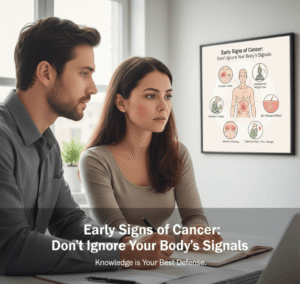
We often visit the doctor only when we feel sick—when we have a fever, a pain that won’t go away, or a persistent cough. But when it comes to cancer, waiting for symptoms can sometimes be the biggest mistake.
One of the scariest things about cancer is that it is often “silent.” In the early stages, you might feel perfectly healthy. You might have energy, a good appetite, and no pain at all, meanwhile, cells are changing inside your body.
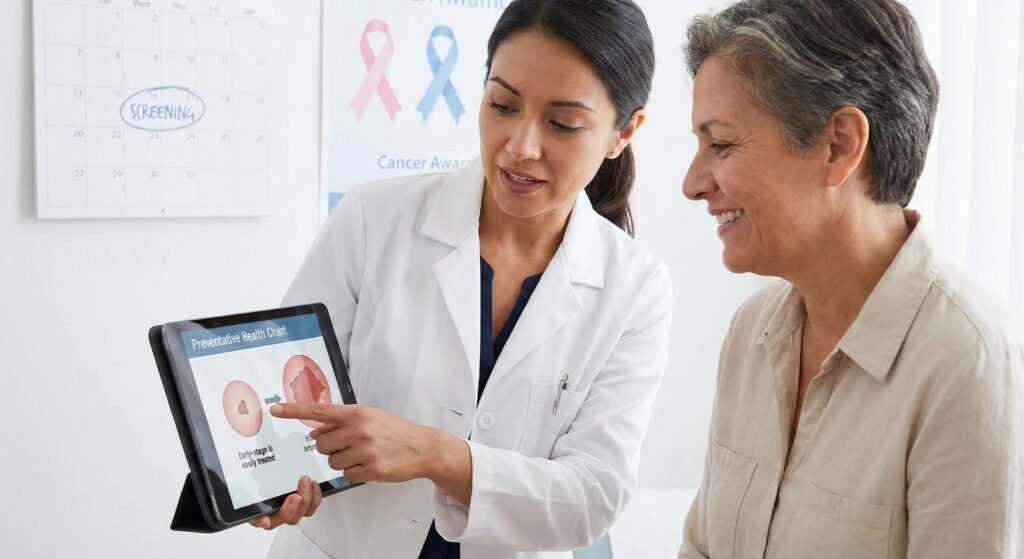
This is exactly why Cancer Screening is so important. It isn’t about looking for sickness; it’s about confirming health.
In this guide, we will break down what screening actually is, why it is a game-changer for survival, and which tests you should be aware of.
What Is Cancer Screening?
Simply put, cancer screening means checking your body for cancer before you have any symptoms.
It is a preventive measure taken by healthy people. The goal is simple:
- Catch it early: Find the cancer when the tumor is tiny and hasn’t spread.
- Assess the risk: Identify precancerous changes (like polyps in the colon) and treat them before they even turn into cancer.
Why Is Screening So Crucial?
You might think, “If I feel fine, why should I go for a test?” Here are three powerful reasons.
1. Early Detection = Easier Treatment
When cancer is found in Stage 1 or 2, it is usually localized (staying in one place).
- Treatment is lighter: You might only need a small surgery instead of heavy chemotherapy or radiation.
- Success rate is higher: The chances of a complete cure are significantly higher when caught early.
2. It Saves Lives
This isn’t just a slogan; it’s a statistic. Screening tests for cervical, colon, and breast cancers have directly lowered the death rates for these diseases. By finding the problem early, doctors can stop it in its tracks.
3. Less Cost and Complexity
Treating advanced cancer is physically draining, emotionally exhausting, and financially expensive. Catching it early often means a shorter, less expensive treatment plan and a faster return to normal life.
Common Types of Cancer Screenings
Not every cancer has a screening test, but medical science has developed effective tests for some of the most common types. Depending on your gender and age, these are the ones to watch out for:
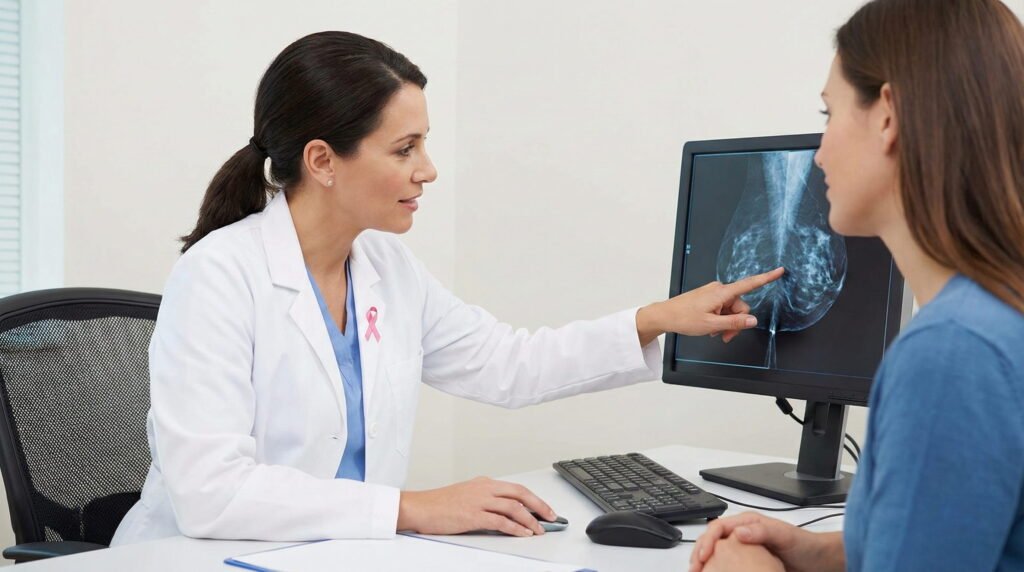
- Breast Cancer: Mammograms (X-rays of the breast) are the standard for women, usually starting around age 40-45.
- Cervical Cancer: The Pap Smear or HPV test is vital for women to detect changes in the cervix.
- Colorectal Cancer: Colonoscopies can find and remove growths before they become cancerous. This is usually recommended starting at age 45.
- Prostate Cancer: For men, a PSA blood test can help detect prostate issues.
Who Should Get Screened?
Screening isn’t a “one size fits all” approach. It depends on you.
- Age: Most screenings start in your 40s or 50s, but some start earlier.
- Family History: If your parents or siblings had cancer, your risk might be higher, and you might need to start screening earlier.
- Lifestyle Factors: Smoking or heavy alcohol use might require specific screenings (like lung cancer screening for smokers).
The best plan? Ask your doctor: “Based on my age and history, what tests do I need?”
Is Screening Painful?
This is a common fear. Many people avoid tests because they are afraid of discomfort. The truth is, most screening tests are quick and relatively painless.
- A blood test is just a pinch.
- A mammogram might be uncomfortable for a few seconds, but it is not agonizing.
- Even procedures like colonoscopies are done under sedation, so you sleep through it and feel nothing.
A few moments of discomfort are a small price to pay for years of healthy life.
Is It 100% Accurate?
No test is perfect.
- False Positive: Sometimes a test suggests cancer when there isn’t any (leading to anxiety).
- False Negative: Sometimes a test misses cancer.
However, despite these small risks, screening remains the most effective tool we have to fight cancer before it starts.
The Bottom Line
Don’t wait for your body to send a distress signal. Cancer often moves silently, and by the time you feel pain, it may have already advanced.
Screening is an act of self-love. It is about taking control of your future. Talk to your doctor today. Ask them if you are due for any checks. It might be the most important appointment you ever make.
⚠️ Disclaimer:
This article is for general informational and educational purposes only. It is not intended to be a substitute for professional medical advice, diagnosis, or treatment. Always consult with your physician regarding your specific health risks and screening schedule.