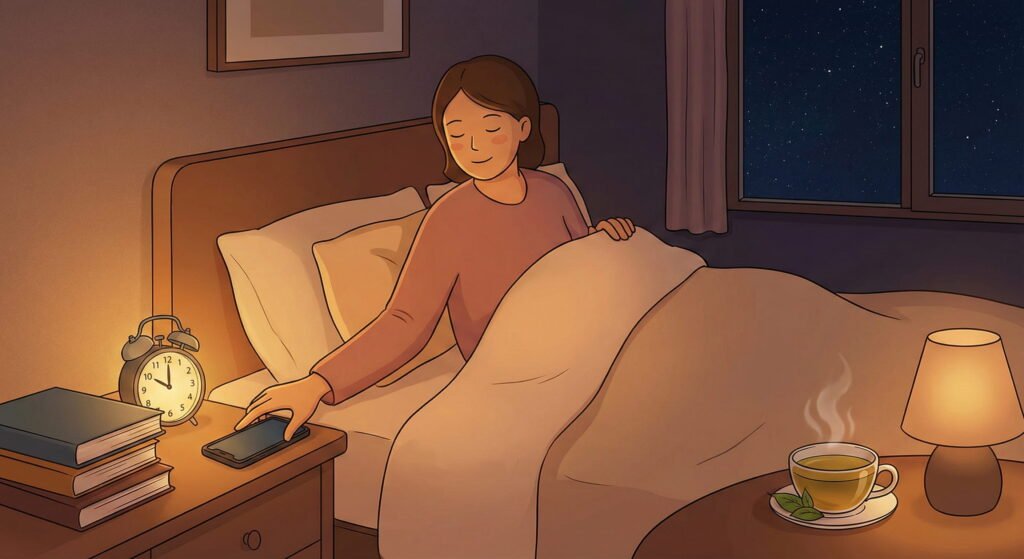
Good sleep is a cornerstone of a healthy life. When we don’t get enough quality rest, both our physical health and mental well-being suffer.
Yet, many of us struggle with sleep. Some find it difficult to fall asleep when their head hits the pillow, while others wake up repeatedly in the middle of the night.
If you are tired of being tired, science offers solutions. In this article, we will explore 10 simple, evidence-based tips to help you improve your sleep quality and wake up feeling refreshed.

1. Stick to a Consistent Sleep Schedule
Your body operates on a natural internal clock, known as the circadian rhythm. This 24-hour cycle controls sleepiness and wakefulness.
Going to bed and waking up at the same time every single day helps regulate this internal clock. When your body gets used to a routine, falling asleep and waking up becomes much easier. Try to limit the difference in your sleep schedule on weekends to no more than an hour.
2. Reduce Screen Exposure Before Bed
The bright light emitted by smartphones, TVs, and laptops contains a significant amount of blue light. This light tricks your brain into thinking it’s still daytime, which suppresses the production of melatonin—the hormone responsible for making you sleepy.
To ensure your brain gets the signal that it’s nighttime, aim to stop using screens at least 30 to 60 minutes before sleep.
3. Limit Caffeine in the Afternoon and Evening
Caffeine, found in coffee, tea, chocolate, and energy drinks, is a potent stimulant. Its effects can last for many hours in your system.
Consuming caffeine late in the day stops your body from naturally feeling tired and can significantly delay sleep onset. A good rule of thumb is to avoid caffeine after 2 PM or 3 PM, depending on your sensitivity.
4. Create the Ultimate Sleep Environment
Your bedroom environment plays a huge role in how well you sleep. Science suggests that the best environment for sleep is dark, quiet, and cool.
Invest in blackout curtains, consider using earplugs or a white noise machine, and ensure your mattress and pillows are comfortable. Furthermore, train your brain to associate the bed with sleep by using it only for sleep and intimacy, rather than working or watching TV.
5. Avoid Heavy Meals Late at Night
Eating a large or heavy meal right before bed means your digestive system has to work hard while you are trying to rest. This can lead to discomfort, indigestion, and disrupted sleep.
If you are hungry before bed, opt for a light, easily digestible snack.
6. Exercise Regularly
Regular physical activity is one of the best ways to improve sleep quality. Light to moderate exercise can help you fall asleep faster and enjoy deeper sleep.
However, timing matters. Intense exercise raises your body temperature and adrenaline levels. Try to finish vigorous workouts at least a few hours before bedtime so your body has time to wind down.
7. Get Exposure to Natural Daylight
Just as avoiding light at night is important, getting light during the day is crucial.
Exposure to bright daylight—especially in the morning—helps anchor your circadian rhythm. It tells your body it’s time to be awake and alert, which leads to better melatonin production when night falls. Try to get outside for at least 20–30 minutes daily.
8. Don’t Force Sleep
If you find yourself lying awake in bed for more than 20–30 minutes, get up. Lying in bed frustrated creates anxiety around sleep, making the problem worse.
Go to another room, keep the lights dim, and do something relaxing like reading a book or listening to soft music until you feel sleepy again. Only return to bed when you are tired.
9. Manage Your Stress Levels
Stress and a racing mind are major enemies of sleep. If you lie down and immediately start worrying about tomorrow’s tasks, you need a wind-down strategy.
Techniques like deep breathing exercises, meditation, or gentle stretching before bed can help activate your body’s relaxation response, quieting the mind and preparing it for sleep.
10. Establish a Relaxing Bedtime Routine
Humans are creatures of habit. Performing the same set of relaxing activities every night before bed sends a powerful signal to your brain that it is time to wind down.
Your routine could include:
- Reading a physical book.
- Listening to calming music or a podcast.
- Taking a warm bath or shower.
When Should You See a Doctor?
While these tips solve many sleep issues, some problems require professional help. You should consult a doctor if:
- Your sleeplessness becomes chronic (lasting months).
- You frequently wake up gasping for air or snoring loudly (signs of sleep apnea).
- You feel excessively sleepy during the day despite spending enough time in bed.
Conclusion
Good sleep doesn’t usually happen by accident; it is the result of healthy habits. By implementing consistent routines, managing your environment, and being mindful of your light exposure, you can see significant improvements. Prioritize your sleep—it is essential for a healthy body and mind.
⚠️ Disclaimer:
Disclaimer: This article is for general health awareness only and is not a substitute for professional medical advice. If you have long-term sleep problems, please consult a physician.