Lifestyle Changes That May Help Reduce the Risk of Cancer
Cancer is one of the most talked-about health concerns around the world. Many people feel that cancer is purely a matter of fate or genetics. While it’s true that not all cancers can be prevented, research shows that certain lifestyle choices can lower the risk.
Small, consistent habits can make a big difference over time. These changes are not only helpful for cancer prevention, but also for overall health and well-being.
Here are some practical lifestyle changes that may help reduce the risk of cancer.
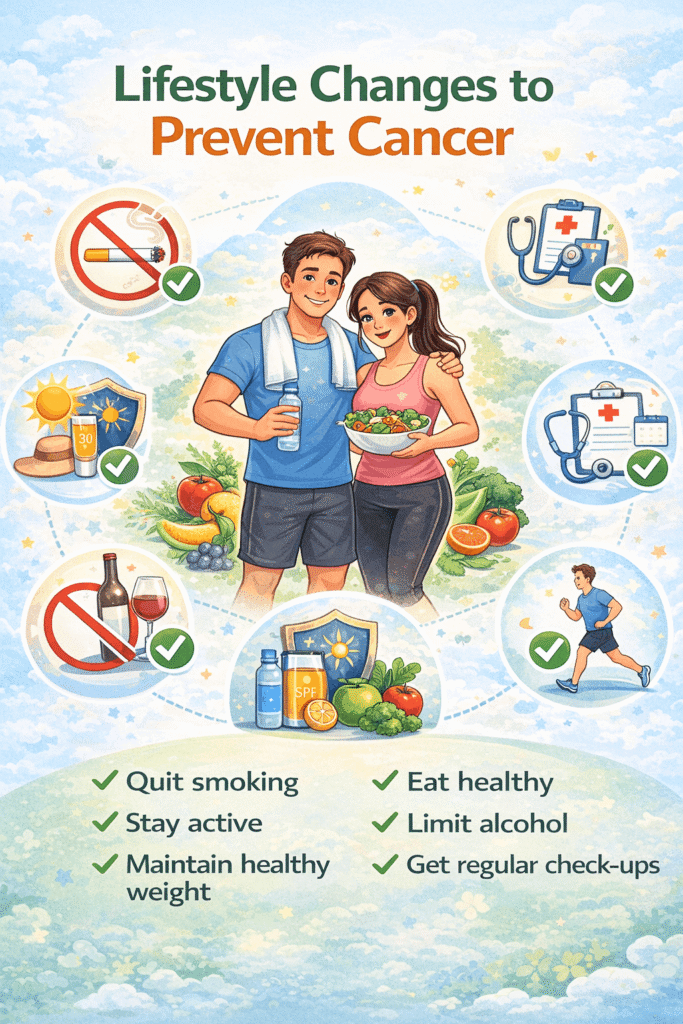
1. Avoid Tobacco in All Forms
Tobacco use is one of the biggest risk factors for cancer.
Smoking is linked not only to lung cancer, but also to cancers of the mouth, throat, esophagus, and several other organs. Even secondhand smoke can increase health risks.
The good news is that quitting tobacco at any age can lower your risk over time. The body slowly begins to repair itself once exposure stops.
2. Eat a Balanced, Healthy Diet
What you eat every day matters.
A healthy diet usually includes:
- Plenty of vegetables and fruits
- Whole grains
- Lean sources of protein
- Less processed and packaged food
Limiting processed meats and reducing heavily processed foods may also help. Eating balanced meals supports the immune system and helps the body function properly.
3. Stay Physically Active
Regular physical activity helps keep your body strong and balanced.
Even simple activities like walking for 20 to 30 minutes a day can be beneficial. Exercise helps:
- Maintain a healthy weight
- Support hormone balance
- Improve overall health
You don’t need intense workouts. Consistency matters more than intensity.
4. Maintain a Healthy Weight
Being overweight or obese has been linked to a higher risk of several types of cancer.
Maintaining a healthy weight can be easier when you:
- Eat balanced meals
- Stay active
- Limit sugary drinks and fast food
Healthy weight management is not about extreme dieting. It’s about sustainable habits.
5. Limit Alcohol Consumption
Drinking alcohol in large amounts may increase the risk of certain cancers.
If you choose to drink, moderation is important. Some people may choose to avoid alcohol altogether. Making informed choices can help reduce long-term health risks.
6. Protect Your Skin from Excess Sun Exposure
Too much exposure to the sun’s harmful ultraviolet (UV) rays can increase the risk of skin cancer.
Simple protective steps include:
- Avoiding strong midday sun when possible
- Wearing protective clothing
- Using sunscreen when appropriate
Taking care of your skin is part of taking care of your overall health.
7. Go for Regular Health Checkups
Some cancers develop without obvious symptoms in the early stages.
Regular health checkups and recommended screenings can help detect problems early. Early detection often makes treatment more effective.
If you have a family history of certain cancers, it’s especially important to speak with a healthcare professional about appropriate screening.
8. Consider Recommended Vaccinations
Certain infections are linked to an increased risk of some cancers.
Following medical guidance regarding recommended vaccinations may help lower those risks. A healthcare professional can provide advice based on age and individual health history.
9. Take Care of Your Mental Health
Chronic stress does not directly cause cancer, but long-term stress can affect overall health.
Getting enough sleep, managing stress, and building supportive relationships all contribute to a stronger and healthier body.
Good mental health supports good physical health.
A Final Thought
No lifestyle choice can guarantee complete protection from cancer. But healthy habits can reduce risk and improve overall well-being.
You don’t need to change everything at once. Start small. Make one healthy change, then build from there.
In the long run, simple daily habits can have a powerful impact on your health.
⚠️ Disclaimer:
This article is for general health awareness purposes only and does not replace professional medical advice. For personal health risks and screening recommendations, consult a qualified healthcare provider.