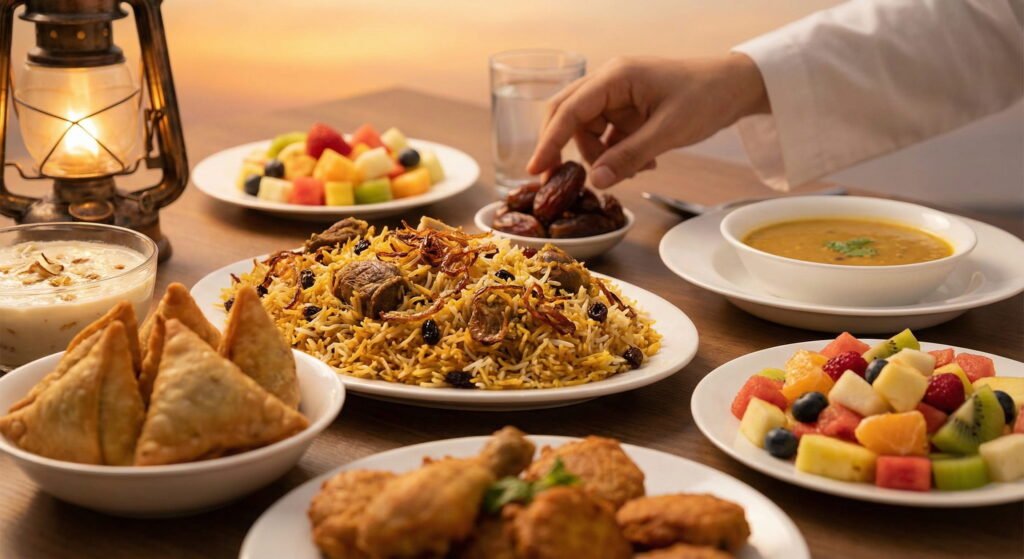
Let’s be honest. When we think of Ramadan, we think of spirituality, prayer, and family. But we also think of food.
There is something special about the smell of frying onions, the aroma of spicy Haleem, or a plate of steaming Biryani at Iftar. After fasting all day, our eyes often become bigger than our stomachs. We crave “Rich Food”—heavy, oily, spicy, and creamy dishes.
But here is the big question: Is eating these heavy meals actually good for us after a fast?
We all know the feeling of eating a heavy Iftar and then being unable to move from the sofa for two hours. In this guide, we will break down what rich food does to your fasting body and how to find the perfect balance between enjoyment and health.
What Do We Mean by “Rich Food”?
When we talk about “rich” food in the context of Ramadan, we aren’t talking about expensive food. We are talking about foods that are heavy in:
- Fats: Oil, ghee, butter, and cream.
- Sugar: Syrups, heavy desserts, and sweetened drinks.
- Spices: Heavy masalas that can irritate the stomach.
Common culprits include:
- Deep-fried items (Pakoras, Samosas, Beguni, Peyaju).
- Heavy rice dishes (Biryani, Tehari).
- Creamy curries (Korma, Butter Chicken).
- Fast food (Burgers, Pizzas).
What Happens When You Break Your Fast with Heavy Food?
Imagine your stomach is an engine that has been turned off for 14 hours. It’s cold and resting. If you suddenly flood that engine with heavy fuel and try to drive at 100mph, the car is going to break down.
Here is what happens inside your body:
1. The Digestion Nightmare (Bloating & Gas)
This is the most common complaint. When you throw fatty, oily food into an empty stomach, digestion takes a long time. The oil coats the stomach lining, slowing everything down. Result: You feel bloated, gassy, and experience heartburn (acid reflux).
2. The “Food Coma” (Extreme Fatigue)
Have you ever felt instantly sleepy after Iftar? That’s because heavy food requires a huge amount of energy to digest. Your body diverts blood flow from your brain to your stomach to handle the heavy load. Result: You feel lazy, lethargic, and might struggle to stand up for Maghrib or Taraweeh prayers.
3. The Blood Sugar Rollercoaster
Rich foods, especially sugary desserts and white rice, cause your blood sugar to spike rapidly. But because these foods lack fiber, that sugar level crashes just as fast. Result: You might feel shaky, irritable, or hungry again very quickly.
4. Unwanted Weight Gain
It seems ironic to gain weight while fasting, but it happens to many people. Rich foods are calorie bombs. If you eat a plate of biryani and fried snacks, you might consume 2,000 calories in one sitting—more than your body needs.
So, Should You Ban Rich Food Completely?
No. That’s not realistic, and it’s not fun. Ramadan is also a time of celebration.
You don’t have to live on boiled vegetables. The key is Moderation and Timing. You can still enjoy your favorites if you follow a few smart rules.
How to Balance Taste and Health
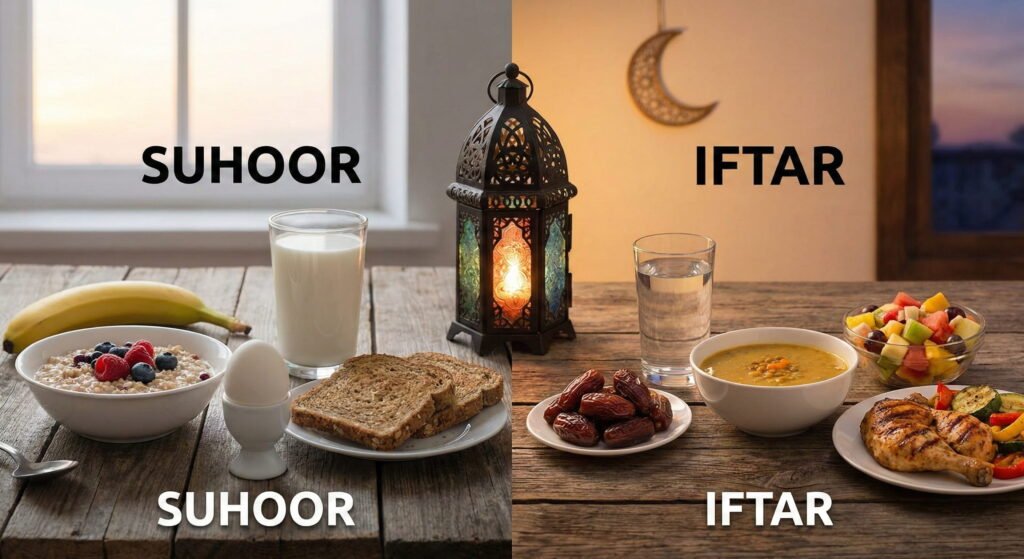
1. The “Date and Water” Rule
Never start with the heavy stuff. Break your fast with dates and water, then wait a few minutes (go pray Maghrib). This gets your digestive juices flowing gently so your stomach is ready for the main meal.
2. Portion Control is King
You can have the pakora or the biryani—just don’t fill your entire plate with it.
- Fill half your plate with salad or veggies.
- Fill a quarter with protein.
- Fill the last quarter with the “rich” food you love.
3. Limit Fried Foods to “Treat Days”
Instead of having deep-fried items every single day, try having them every other day or on weekends. On other days, try grilling, baking, or air-frying your snacks.
4. Watch the Salt and Spice
Very spicy or salty food will make you incredibly thirsty. If you eat this at Suhoor, the next day’s fast will be miserable. Save the spicy food for Iftar, but keep it moderate.
5. Hydrate Between Meals
Rich food often contains a lot of sodium. Counteract this by drinking plenty of water between Iftar and Suhoor to flush out the toxins and salt.
A Final Thought
The purpose of fasting is discipline and detoxification—both spiritual and physical.
While it is tempting to reward yourself with a feast, treating your body with kindness is also a form of worship. Eat the foods you love, but eat them in a way that allows you to feel energetic, light, and healthy enough to make the most of this holy month.
Eat to fuel your body, not just to fill it.
⚠️ Disclaimer:
This article is for general informational and educational purposes only. It is not intended to be a substitute for professional medical advice, diagnosis, or treatment. If you have specific digestive issues like GERD, ulcers, or diabetes, please consult your doctor before consuming heavy or spicy foods during fasting.