
Menstruation is a natural and essential part of the female reproductive system. For most women, a “normal” menstrual cycle ranges anywhere from 21 to 35 days, lasting about 2 to 7 days.
However, our bodies are not machines. Sometimes your period might arrive late, come too early, or disappear for months at a time. This is known as irregular menstruation.
While a missed or late period can cause instant panic, it doesn’t always mean something is terribly wrong. However, understanding why it is happening is crucial for your long-term health.
What Exactly Is an “Irregular” Period?
You might have an irregular cycle if you experience any of the following:
- Your cycle is consistently shorter than 21 days or longer than 35 days.
- You miss three or more periods in a row (and you are not pregnant).
- Your menstrual flow is much heavier or much lighter than usual.
- The length of your cycle varies drastically from month to month (e.g., 22 days one month, 45 days the next).
- You experience bleeding or spotting between periods.
Common Causes of Irregular Periods
Many factors can throw your menstrual cycle off balance. Here are the most common culprits:
1. High Levels of Stress
Mental and emotional stress is one of the biggest disruptors of the menstrual cycle. When you are highly stressed, your body produces cortisol. High cortisol levels can interfere with the hypothalamus—the part of the brain that regulates your reproductive hormones—causing your period to be delayed or skip entirely.

2. Sudden Weight Changes
Your weight plays a massive role in hormone production.
- Rapid Weight Loss / Underweight: If your body fat drops too low, your body may stop producing enough estrogen, halting ovulation.
- Rapid Weight Gain / Overweight: Excess fat tissue can produce extra estrogen, which can prevent ovulation and cause heavy, irregular, or missed periods.

3. Hormonal Imbalances (PCOS & Thyroid)
Underlying health conditions are frequently at the root of chronic irregularity.
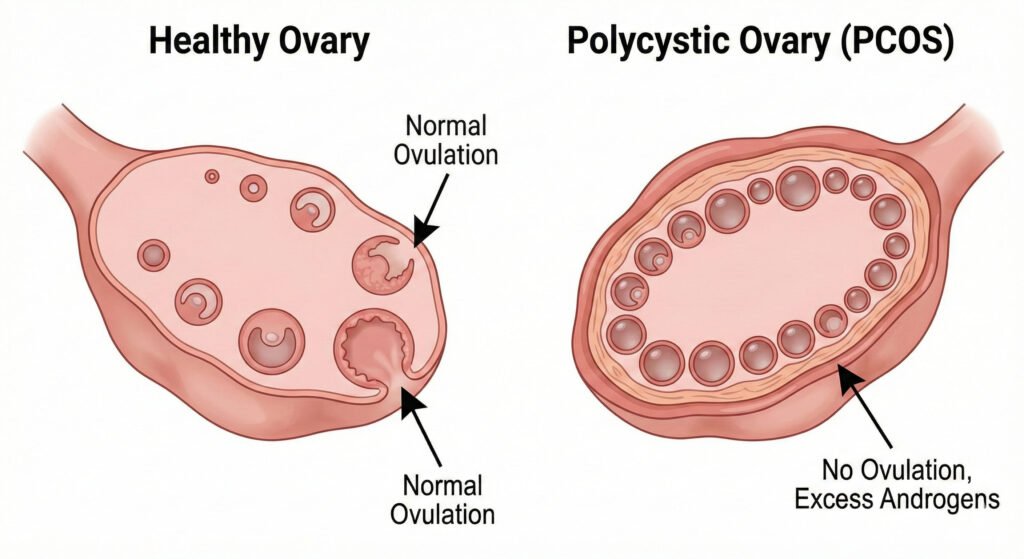
- Polycystic Ovary Syndrome (PCOS): A common hormonal disorder where the ovaries produce excess male hormones (androgens). This prevents the ovaries from releasing an egg every month, leading to missed periods, weight gain, and excess hair growth.
- Thyroid Disorders: An underactive (hypothyroidism) or overactive (hyperthyroidism) thyroid gland can heavily impact your menstrual cycle, making it too light, too heavy, or unpredictable.
4. Excessive Exercise
Intense physical training (like marathon running or professional gymnastics) puts the body under immense physical stress. This can lead to a condition called amenorrhea (the absence of menstruation) because the body conserves energy by shutting down the reproductive system.
5. Pregnancy and Breastfeeding
If you are sexually active and miss a period, pregnancy should always be the first possibility you rule out. Additionally, the hormones responsible for breast milk production (prolactin) can temporarily stop your period from returning after childbirth.
What Should You Do If Your Period Is Irregular?
If you are dealing with irregular cycles, here are a few actionable steps you can take at home:
1. Track Your Cycle
Don’t rely on your memory. Use a calendar or a smartphone period-tracking app. Log the start date, end date, flow intensity, and any symptoms (like cramps or mood swings). This data will be incredibly helpful if you need to consult a doctor.
2. Audit Your Lifestyle
- Manage Stress: Practice deep breathing, yoga, or meditation.
- Eat a Balanced Diet: Ensure you are getting enough healthy fats, proteins, and vitamins to support hormone production.
- Exercise Moderately: Avoid overtraining, but maintain a healthy, active routine.
- Prioritize Sleep: Poor sleep disrupts hormonal balance.
When Is It Time to See a Doctor?
While occasional irregularities are normal, you should schedule an appointment with a gynecologist if:
- You miss three or more periods in a row.
- You have exceptionally heavy bleeding (soaking through a pad or tampon every hour for several hours).
- Your periods are accompanied by severe, debilitating pain.
- Your periods suddenly become irregular after years of being predictable.
- You suspect you might be pregnant.
A Quick Note for Teenagers
If you have just started menstruating (menarche), it is completely normal for your periods to be irregular for the first few years. The connection between the brain and the ovaries (the HPO axis) takes time to mature. However, if the irregularity persists for years or causes severe pain, a doctor should evaluate it.
Conclusion
Irregular periods are your body’s way of communicating that something in your environment, lifestyle, or internal system is off balance. Listen to your body, make healthy lifestyle adjustments, and never hesitate to seek professional medical advice to put your mind at ease.
⚠️ Disclaimer:
This article is for general health awareness purposes only and is not a substitute for professional medical diagnosis or treatment. Always consult with a qualified healthcare provider regarding any severe or persistent menstrual irregularities.