Heat Stroke Prevention: How to Beat the Heat and Stay Safe
Let’s be real for a moment: Summer can be brutal.
Sure, we love the long days and the bright vibes, but when that temperature dial cranks up, it stops being fun and starts being a challenge. You step outside, and it feels like you’ve walked into a pre-heated oven. The air is heavy, the sun is stinging, and you’re sweating in places you didn’t know you could sweat.
But here is the thing—extreme heat isn’t just uncomfortable and sticky; it can actually be dangerous. If you aren’t careful, all that heat can lead to a condition called Heat Stroke.
Now, don’t panic. Heat stroke is serious, but it is also completely preventable. You just need to know how to listen to your body and make a few smart tweaks to your daily routine.
In this guide, we’re going to chat about what heat stroke actually is, how to spot the warning signs, and the simple things you can do to stay cool when the world outside is melting.

What Exactly Is Heat Stroke?
Think of your body like a car engine. A car has a radiator to keep the engine cool while it runs. Your body has a similar system—mostly through sweating. When you get hot, you sweat, the sweat evaporates, and your body cools down.
But sometimes, the cooling system fails.
If you are out in the blazing sun for too long, or if it’s incredibly humid, your body might absorb more heat than it can release. Your internal temperature skyrockets, and your “radiator” breaks. That is heat stroke. It’s the most severe form of heat illness and it’s an emergency.
The Warning Signs: Listen to Your Body
Your body is smart. It will usually tell you when it’s struggling before things get critical. You might start with “heat exhaustion” before it turns into a full-blown stroke.
Here is what to look out for. If you or someone else experiences these, the red alarm bells should be ringing:
- Sky-High Body Temperature: The skin feels burning hot to the touch.
- Confusion or Agitation: This is a big one. If someone starts slurring their words, acting confused, or getting oddly angry, it’s a bad sign.
- No Sweat: Ironically, in the late stages of heat stroke, some people stop sweating altogether. Their skin becomes dry and hot.
- A Pounding Headache: That throbbing pain that won’t go away.
- Nausea or Vomiting: Feeling sick to your stomach.
- Rapid Heartbeat: Your heart feels like it’s racing a marathon even though you are standing still.
- Fainting: Passing out is the ultimate sign that the body has had enough.
If you see these signs, this isn’t the time to say, “I’ll just sit here for a bit.” You need to act fast (we’ll get to the First Aid part in a minute).
8 Simple Ways to Avoid Heat Stroke
The good news? You can totally avoid this. You don’t need to lock yourself indoors all summer. You just need to be “heat smart.”
Here are 8 easy habits to keep you safe.
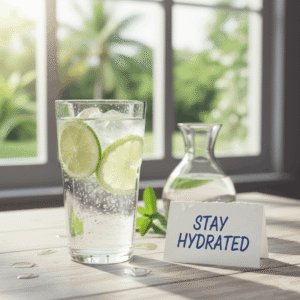
1. Hydrate, Hydrate, Hydrate!
I cannot stress this enough. By the time you feel thirsty, you are already slightly dehydrated.
- Drink before you are thirsty: Keep a water bottle with you like it’s your best friend. Sip throughout the day.
- Water is King: Soda and energy drinks are okay sometimes, but nothing beats plain, clean water.
- Check the color: A weird tip, but effective—check your urine color. If it’s pale yellow, you’re good. If it’s dark, go drink a glass of water right now.
2. Respect the Sun’s Schedule
The sun is a bit of a bully between 11:00 AM and 3:00 PM. This is when the UV rays are strongest and the heat is most intense. If you have errands to run, try to be an early bird or a night owl. Get things done in the cool(er) morning or later in the evening. If you must go out at noon, stick to the shade.
3. Dress for the Weather
Summer fashion isn’t just about looking good; it’s about survival!
- Go Loose: Tight clothes trap heat against your body. Wear loose-fitting stuff that lets your skin breathe.
- Light Colors: Dark colors (like black or navy) absorb heat. Light colors (like white, beige, or pastels) reflect the sun.
- Fabric Matters: Cotton and linen are your friends. Synthetics like polyester can feel like wearing a plastic bag.
4. Protect Your Head
Your head absorbs a lot of heat. If you are going out, wear a wide-brimmed hat or carry an umbrella. It’s essentially a portable shade tree. It keeps the direct sun off your face and brain.
5. Take It Easy
If your job involves physical labor or if you love outdoor exercise, you need to slow down when the heatwave hits.
- Break it up: Take more breaks than usual. Sit in the shade for 5 minutes for every 15 minutes of work.
- Listen to fatigue: If you feel dizzy or overly tired, stop immediately. It’s not weakness; it’s wisdom.
6. Don’t Forget Electrolytes
When you sweat, you don’t just lose water; you lose salt and minerals (electrolytes). If you are sweating buckets, plain water might not be enough.
- Drink some coconut water, lemon water with a pinch of salt and sugar, or an Oral Rehydration Solution (ORS/Saline). This helps your body hold onto the fluid.
7. Watch Out for the Vulnerable
Heat hits everyone, but it hits some people harder.
- The Elderly: Their bodies don’t adjust to temperature changes as fast. Check on your older neighbors or parents.
- Kids: Children run around and often forget to drink water. You have to be their water monitor.
8. The “Car Rule” (This is Non-Negotiable)
Never, ever, under any circumstances, leave a child, an elderly person, or a pet in a parked car. Not even for “just two minutes.” A car acts like a greenhouse. Even with the windows cracked, the temperature inside can jump 20 degrees in just 10 minutes. It is a deadly trap. Just don’t do it.
Quick Action: What to Do If Heat Stroke Hits?
Okay, let’s say despite best efforts, someone starts showing those scary symptoms we talked about earlier. What do you do?
1. Call for Help: This is a medical emergency. If they are confused or unconscious, get them to a hospital. 2. Move to Shade: Get them out of the sun immediately. Into a building with AC is best, but a shady tree is better than nothing. 3. Cool Them Down FAST: This is the priority. * Spray them with water. * Place wet, cool cloths on their neck, armpits, and groin area (where major blood vessels are). * Fan them vigorously. 4. Loosen Clothes: Unbutton tight shirts or loosen belts to help them breathe and cool down.
Conclusion
Summer is meant to be enjoyed. It’s the time for mangoes, vacations, and sunny days. You don’t need to fear the heat, but you do need to respect it.
Heat stroke is a real risk, but with a bottle of water in your hand, a hat on your head, and a little bit of common sense, you can breeze through the hottest months safely.
So, stay hydrated, stay cool, and look out for each other!
⚠️ Disclaimer:
This article is for general informational and educational purposes only. It is not intended to be a substitute for professional medical advice, diagnosis, or treatment. Always seek the advice of your physician or other qualified health provider with any questions you may have regarding a medical condition. If you suspect someone has heat stroke, call emergency services immediately.