Drinking Too Much Tea or Coffee? Here’s What Happens
For many of us, the day doesn’t really start until we’ve had that first sip of tea or coffee. Morning? Needs chai. Afternoon slump? Coffee to the rescue. Friend comes over? “Let’s make some tea!”
I get it. I’m guilty of this too.
Tea and coffee are comforting. They wake us up. They make us feel alive. And honestly, in small amounts, they’re not bad at all. But here’s the thing we don’t talk about enough—what happens when “one cup” turns into “four or five cups” every single day?
If you’re drinking too much tea or coffee, your body notices. And it tries to tell you in different ways.
So today, let’s sit and talk like friends. Let me explain what really happens when you overdo your favorite caffeinated drinks.
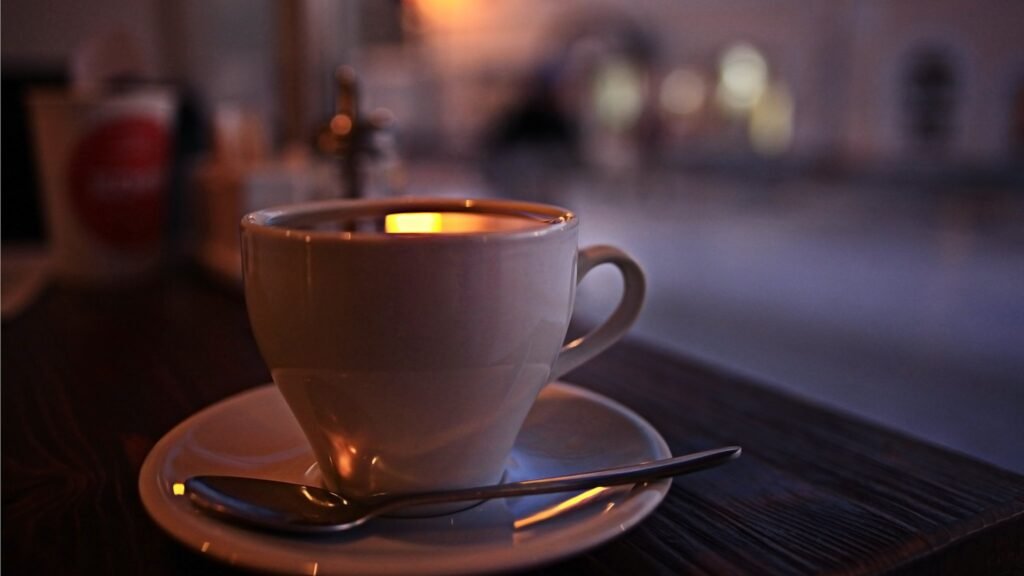
First, What’s Actually Inside Tea and Coffee?
Both tea and coffee have a thing called caffeine. It’s a natural stimulant.
What does that mean? It means caffeine wakes up your nervous system. It makes you feel alert, fresh, and less sleepy. That’s why we love it, right?
But here’s the catch: Too much stimulation is not always good. It’s like revving a car engine all day. Eventually, something wears out.
Let’s look at the signs. See if any of these feel familiar.
1. You Can’t Sleep Properly
This is the most common one.
You drink tea in the evening while working. Maybe another cup after dinner because you’re used to it. Then you go to bed… and just lie there. Staring at the ceiling. Thoughts running in circles.
Sound familiar?
Caffeine stays in your system for hours. If you’re drinking too much tea or coffee, especially after 3 or 4 PM, it messes with your sleep. You might:
- Take forever to fall asleep
- Wake up in the middle of the night
- Feel tired even after sleeping 7-8 hours
Your sleep quality drops. And without good sleep, nothing in your body works right.
2. You Feel Anxious or Restless
Ever had too much coffee and felt your heart racing? Like you’re jittery for no reason?
That’s the caffeine talking.
Too much of it can make you feel:
- Nervous or on edge
- Restless (can’t sit still)
- Like your heart is pounding in your chest
For people who already have anxiety, this can be even worse. If you notice yourself feeling more stressed or worried than usual, take a look at how much chai or coffee you’re having.
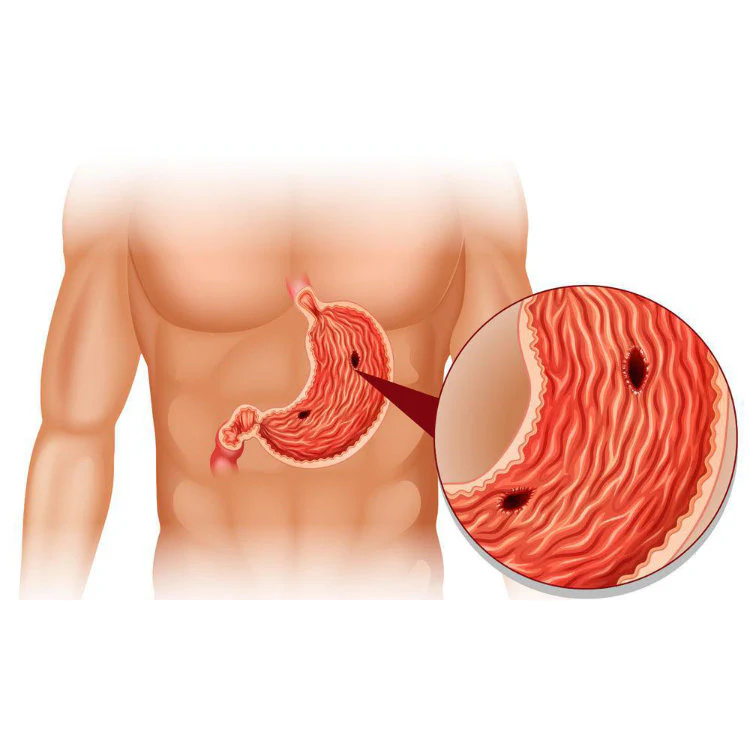
3. Your Stomach Hurts (Especially in the Morning)
This one hits close to home for many.
Drinking strong tea or coffee on an empty stomach? Big mistake.
It can cause:
- Acidity and heartburn
- Gastric issues
- That burning feeling in your chest
Caffeine increases stomach acid. So if you’re drinking too much tea or coffee without eating enough, your stomach lining gets irritated. Over time, this can lead to more serious digestive problems.
4. Your Heart Beats Too Fast
A little caffeine? Fine. Too much? Your heart might start racing.
Some people are more sensitive to this than others. But if you ever feel your heart pounding after your third cup, that’s a red flag. In some cases, it can also cause dizziness or lightheadedness.
Your heart works hard enough already. Don’t make it work harder by overloading on caffeine.
5. You Become Addicted (Without Realizing It)
Here’s the tricky thing about tea and coffee—they’re addictive.
Not in a scary, “drug-like” way. But your body gets used to it. If you drink 4 cups daily for months, your body starts depending on that caffeine to function.
And if you suddenly stop or cut back? Hello, withdrawal symptoms:
- Bad headaches
- Feeling extremely tired
- Irritability (snapping at people for no reason)
- Trouble focusing
That’s your body throwing a tantrum because it’s not getting its usual dose.
6. You Get Dehydrated
Caffeine is a mild diuretic. Fancy word, simple meaning: It makes you pee more.
So if you’re drinking too much tea or coffee, your body loses more water than usual. And if you’re not drinking enough plain water alongside, you can get dehydrated.
Dehydration leads to:
- Dry skin
- Fatigue
- Headaches
- Dark urine
So for every cup of coffee, try to have a glass of water. Your body will thank you.
7. Your Body Absorbs Less Iron
This one surprises people.
If you drink tea with your meals, especially right after eating, it can actually block your body from absorbing iron properly.
Why? Tea contains compounds called tannins. They bind with iron in your food and make it harder for your body to use.
For people who already have low iron or anemia, this is a big deal. Try to keep a gap of at least an hour between meals and your tea/coffee.
So, How Much Is “Too Much”?
There’s no one-size-fits-all answer. Some people can drink 5 cups and sleep like a baby. Others feel jittery after one.
But generally, experts say:
- Up to 3-4 cups of coffee per day is safe for most adults
- For tea, similar limits apply
But listen to your body. If you feel anxious, can’t sleep, or have stomach issues—you’re probably overdoing it.
Easy Tips to Cut Down (Without Suffering)
If you think you’re drinking too much, don’t panic. You don’t have to quit overnight. That’ll just give you headaches and make you miserable.
Try this instead:
- Cut down slowly. If you drink 5 cups, go to 4 for a week, then 3, and so on.
- No caffeine after 3 PM. This alone can fix your sleep.
- Switch to herbal tea. Chamomile, peppermint, or lemon tea are great options with zero caffeine.
- Drink more water. Sometimes we reach for chai when we’re actually just thirsty.
- Eat before your coffee. Never drink it on an empty stomach.
Final Thoughts (From Someone Who Gets It)
Look, I’m not here to tell you to stop drinking tea or coffee forever. That would be unrealistic—and honestly, unnecessary.
Chai and coffee are lovely. They bring comfort, warmth, and a little boost when we need it. The problem isn’t the drink itself. The problem is when we have too much, without paying attention to what our body is saying.
So next time you reach for that fourth cup, just pause for a second. Ask yourself: “Do I really need this, or am I just bored/thirsty/habitual?”
A little mindfulness can go a long way.
Enjoy your chai. But don’t let it control you. ❤️
⚠️ Disclaimer:
This is just friendly advice based on general health information. I’m not a doctor. If you have serious health issues (heart problems, severe anxiety, etc.), please talk to a healthcare professional.