If you have ever tried to lose weight, you probably started by doing one thing: eating less.
In my practice, I see patients who skip meals, survive on tiny salads, and ignore their hunger pangs. And yet, the scale refuses to budge. Why? Because starvation is not the answer.
Weight loss isn’t just about how much you eat; it’s about what you eat.
As a doctor, I always tell my patients: “Don’t eat less, eat right.” To lose weight sustainably, you need foods that boost your metabolism, keep your blood sugar stable, and—most importantly—keep you full so you don’t crave junk food an hour later.
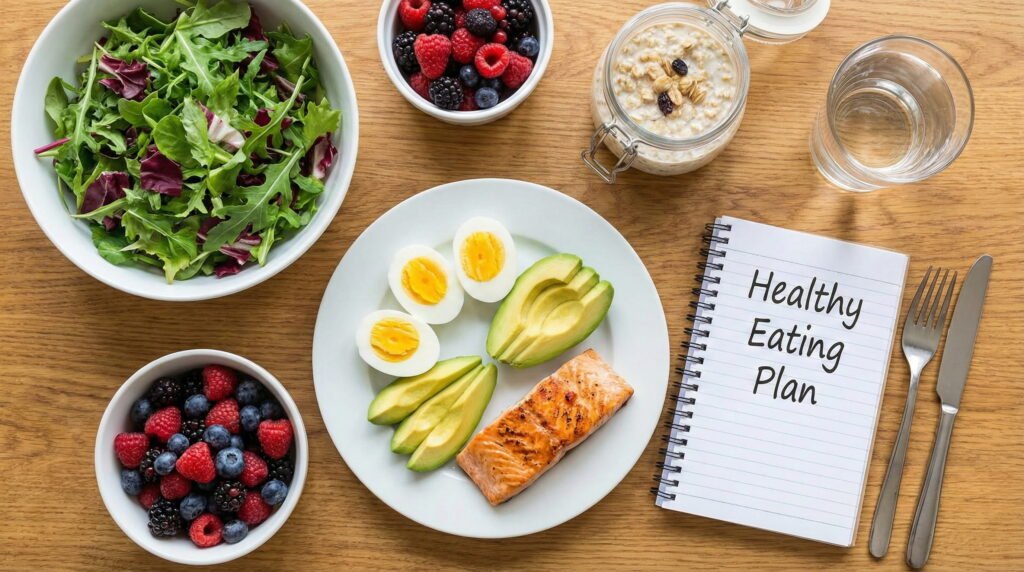
Here is a list of the best science-backed foods to help you shed those extra pounds while staying healthy.
1. Leafy Green Vegetables
This is the number one secret to volume eating. Greens like spinach, broccoli, cauliflower, and cabbage are incredibly low in calories but high in fiber.
You can eat a huge bowl of salad, feel completely full, and barely consume any calories.
- Why it works: The fiber expands in your stomach, signaling your brain that you are full.
- Doctor’s Tip: Try steaming your broccoli or having a spinach omelet instead of heavy carbs.
2. Whole Eggs
For a long time, eggs were feared because of cholesterol, but new studies show they are one of the best foods for weight loss.
Eggs are a protein powerhouse. Protein takes longer to digest than carbohydrates, which means if you eat eggs for breakfast, you are likely to eat fewer calories for the rest of the day. It’s the ultimate “satiety” food.
3. Beans and Legumes
Lentils (Dal), chickpeas (Chola), and kidney beans represent a magical combination: Protein + Fiber.
This combo is fantastic for controlling blood sugar. Unlike refined grains (like white rice or bread) that cause a sugar spike and crash (making you hungry again), beans provide slow-burning energy. They are affordable and perfect for plant-based diets.
4. Whole Fruits (Not Juice)
“But Doctor, doesn’t fruit have sugar?” Yes, but it is natural sugar wrapped in fiber.
An apple or a pear takes time to chew and digest. The fiber prevents the sugar from hitting your bloodstream too fast.
- Warning: Stay away from fruit juice. Juice removes the fiber and leaves only the sugar, which can actually cause weight gain. Always eat the whole fruit.
5. Fatty Fish
Salmon, tuna, and mackerel are incredible for your health. They are rich in protein and Omega-3 fatty acids.
Omega-3s are healthy fats that help reduce inflammation in the body (which is often linked to obesity). Plus, fish is lighter and easier to digest than red meat, making it a perfect dinner option.
6. Yogurt (Plain & Unsweetened)
Yogurt is excellent for your gut health. It contains probiotics—good bacteria that improve digestion.
Research suggests that a healthy gut is crucial for a healthy weight.
- What to buy: Look for plain Greek yogurt or homemade curd.
- What to avoid: Flavored yogurts loaded with added sugar.
7. Nuts and Seeds (In Moderation)
Almonds, walnuts, chia seeds, and flaxseeds are packed with healthy fats.
They are great for curbing hunger. A small handful of almonds can stop you from reaching for a packet of chips. However, be careful—nuts are high in calories. A small handful is medicine; a whole bowl is a meal!
8. Oats and Whole Grains
Not all carbs are bad. Whole grains like oats, brown rice, and quinoa are “complex carbohydrates.”
They are digested slowly, keeping your energy levels stable. A bowl of oatmeal in the morning is far better than sugary cereal because it keeps you full until lunchtime.
9. Water (The Unsung Hero)
Sometimes, you aren’t hungry; you are just thirsty. The brain often confuses thirst with hunger. Drinking a large glass of water 30 minutes before a meal can help you eat less naturally. Plus, staying hydrated helps your body burn fat more efficiently.
10. Home-Cooked Meals
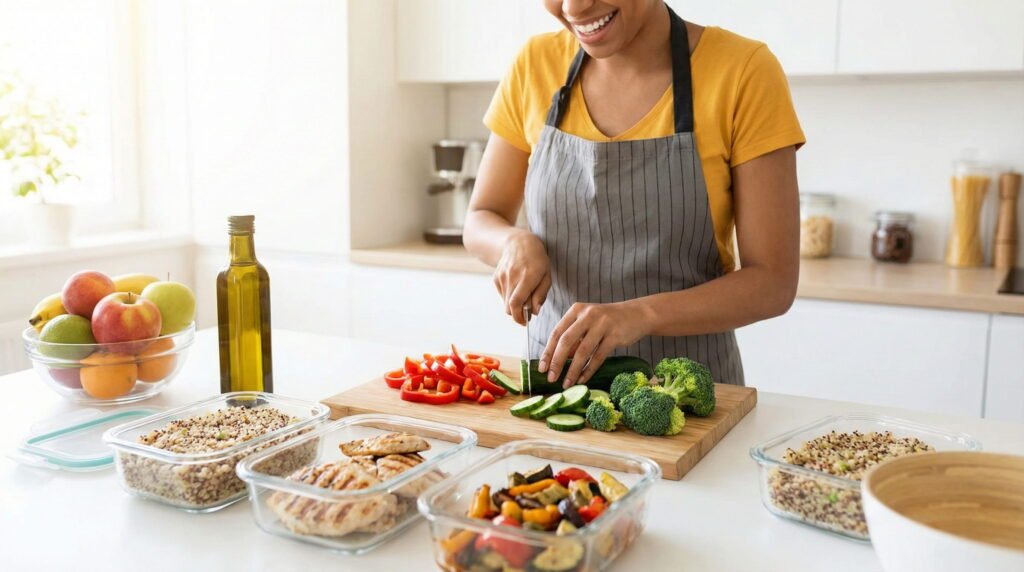
This isn’t a specific “food,” but it is a habit that changes everything. When you cook at home, you control the oil, the sugar, and the ingredients. Restaurant food is often loaded with hidden calories that you can’t see.
Foods to Avoid
If you want these healthy foods to work, you need to cut down on the “empty calories”:
- Sugary soft drinks and sodas.
- Deep-fried snacks.
- Highly processed fast food.
Conclusion
Losing weight doesn’t have to be a painful struggle of hunger. It is about making smarter choices.
By filling your plate with vegetables, protein (like eggs and fish), and whole foods, you nourish your body while losing weight naturally. Remember, consistency is key. It’s not about being perfect; it’s about being better than you were yesterday.
⚠️ Medical Disclaimer: This article is for general information only. Weight loss results vary from person to person. Before making drastic changes to your diet, especially if you have conditions like diabetes or hypertension, please consult a nutritionist or doctor.