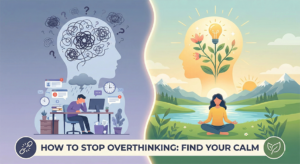
Stress has become an unwanted guest in our daily lives. Whether it’s deadlines at work, family responsibilities, financial worries, or personal struggles, we all feel the pressure.
A little bit of stress is normal—it keeps us alert. But when stress becomes chronic, it starts to damage both your body and your mind.
If you are feeling burnt out, don’t worry. You don’t need a week-long vacation to feel better (though that would be nice!). Small, daily changes can make a massive difference.
In this guide, we will explore practical, easy-to-follow ways to lower your stress levels right now.

Why Is Unchecked Stress Dangerous?
Ignoring stress is like ignoring a check engine light in your car. Eventually, the car will break down. Long-term stress can lead to:
- Chronic Insomnia (tossing and turning all night).
- Mood Swings (feeling irritable or angry quickly).
- Physical Pain (tension headaches, stiff shoulders).
- Brain Fog (inability to focus or remember things).
Here is how to take control back.
1. Master the Art of Deep Breathing
This is the fastest way to hack your nervous system. When you are stressed, your breathing becomes shallow. Deep breathing sends a signal to your brain that “you are safe.”
Try this:
- Sit comfortably and close your eyes.
- Inhale slowly through your nose for a count of 4.
- Hold for a second.
- Exhale slowly through your mouth for a count of 6. Repeat this for 5 minutes. You will feel your shoulders relax almost instantly.
2. Move Your Body (Even a Little)
You don’t need to run a marathon. Light exercise releases Endorphins—chemicals in the brain that act as natural painkillers and mood elevators. A simple 20-30 minute walk outside can clear your head and reset your mood.
3. Prioritize Your Sleep
Stress and sleep have a complicated relationship. Stress keeps you awake, and lack of sleep makes you more stressed. Break the cycle by:
- Going to bed at the same time every night.
- Turning off screens 1 hour before bed (doom-scrolling increases anxiety!).
- Creating a dark, cool sleep environment.
4. Break It Down (The “One Thing” Rule)
Looking at a massive To-Do list is paralyzing. Instead of trying to do everything at once, break tasks into tiny steps.
- Don’t say: “I need to clean the whole house.”
- Say: “I will just wash the dishes.” Completing small tasks gives you a dopamine hit and builds momentum.
5. Carve Out “Me Time”
This isn’t selfish; it’s necessary maintenance. Dedicate at least 15-30 minutes a day to do something just for you. Read a book, listen to your favorite music, garden, or just sit quietly with a cup of tea.
6. Audit Your Social Circle
Emotions are contagious. If you hang out with people who are constantly negative, complaining, or critical, your stress levels will rise. Try to spend more time with friends who are supportive, positive, and make you laugh. Laughter is a great stress-buster!
7. Let Go of Perfectionism
“Perfect” is the enemy of “Good.” Trying to be the perfect employee, parent, or partner is exhausting. Accept that you are human. You have limits. Celebrate small wins instead of beating yourself up over what went wrong.
8. Eat for Your Brain
What you eat affects how you feel.
- Avoid: Excessive sugar, caffeine, and processed foods (they cause energy crashes).
- Eat: Whole foods, healthy fats, and plenty of water. A hydrated brain is a calm brain.
9. Talk It Out
Bottling up emotions makes them stronger. Share your worries with a trusted friend, partner, or family member. Sometimes, just saying it out loud (“venting”) lifts a huge weight off your shoulders.
When Should You Seek Professional Help?
Sometimes, self-care isn’t enough. You should see a mental health professional if:
- You can’t sleep at all.
- Your work or relationships are falling apart.
- You feel hopeless or constantly anxious.
- You are using alcohol or drugs to cope.
Conclusion
You cannot eliminate stress completely—life will always have challenges. But you can change how you react to it.
Start with one of these tips today. Take a deep breath. Go for a walk. Be kind to yourself. You’ve got this.
⚠️ Disclaimer:
This article is for general informational and educational purposes only. It is not intended to be a substitute for professional medical advice or therapy. If you are experiencing a mental health crisis, please seek professional help immediately.