Start Your Day Right: What to Eat on an Empty Stomach for Max Energy
They say breakfast is the most important meal of the day, but technically, the very first thing you put in your mouth matters even more.
After sleeping for 6 to 8 hours, your stomach is empty, and your body is in a state of fasting. It’s like a car running on fumes—it needs fuel, but it needs the right kind of fuel to start the engine smoothly.
If you grab a sugary donut or a heavy, oily paratha right away, you might shock your system, leading to bloating, acidity, or a sugar crash by noon.
In this guide, we’ll explore exactly what you should eat (and what you should avoid) on an empty stomach to feel energetic, light, and focused all day long.
Why Does the First Bite Matter?
Think of your stomach as a clean slate in the morning.
- Metabolism Boost: The right food kicks your metabolism into gear, helping you burn calories efficiently.
- Gut Health: Gentle foods help flush out toxins and prepare your digestive tract for the day.
- Stable Energy: It prevents those nasty blood sugar spikes that make you feel tired and cranky later.
The Top 5 Foods to Eat on an Empty Stomach
Here are the best options to wake up your digestive system gently:
1. Warm Water (The Ultimate Starter)
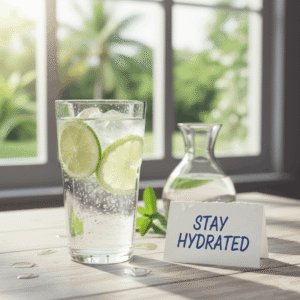
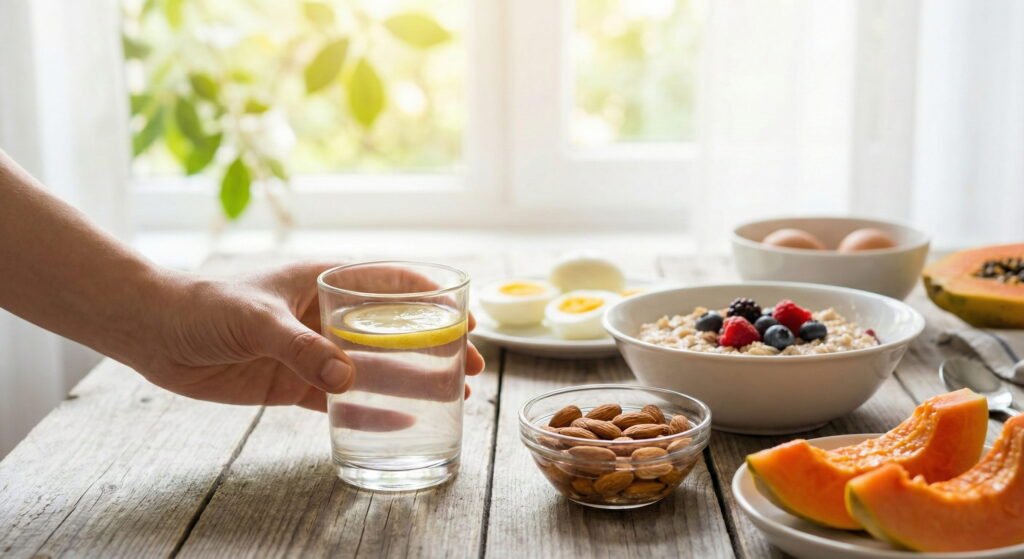
Before you eat anything, drink water. When you wake up, you are naturally dehydrated. Drinking a glass of warm water (maybe with a squeeze of lemon) helps to:
- Flush out toxins.
- Hydrate your cells.
- Activate your internal organs.
2. Soaked Almonds
This is an ancient secret for brain power. Raw nuts can be hard to digest, but if you soak almonds overnight, the skin peels off, and they become softer. Why it works: They are packed with essential vitamins, minerals, and healthy fats that give you a steady stream of energy without spiking your blood sugar.
3. Fresh Fruits (Nature’s Candy)
Fruits are incredibly easy to digest.
- Papaya: Great for cleaning the stomach and aiding digestion.
- Watermelon: Provides massive hydration and electrolytes.
- Banana: Gives an instant energy boost.
- Note: If you have acidity issues, avoid very sour citrus fruits (like oranges or lemons) on an empty stomach.
4. Oatmeal
If you need something warm and filling, oats are your best friend. Oats create a protective coating around the lining of your stomach, which prevents hydrochloric acid from causing damage. Plus, the soluble fiber helps lower cholesterol and keeps you full until lunch.
5. Eggs
The classic breakfast for a reason. Eggs are a complete protein. Eating boiled or poached eggs in the morning keeps your blood sugar stable and stops you from craving junk food later in the day.
Foods to Avoid on an Empty Stomach ( The “Red Zone”)
Just because it’s “breakfast food” doesn’t mean it’s good on an empty stomach.
1. Sugary Pastries and Cereals
Croissants, donuts, or sugary cereals cause a massive spike in insulin. You will feel hyper for 30 minutes, and then you will crash, feeling tired and hungry again.
2. Spicy and Oily Food
Spices can irritate the stomach lining, leading to acidity and cramps. Save the spicy curry for lunch.
3. Tea and Coffee (The Hardest Habit to Break)
We know, we know—you need your morning chai or coffee. But caffeine on an empty stomach stimulates stomach acid production, which can cause heartburn, acidity, and even ulcers over time. The Fix: Drink a glass of water or eat a few nuts before you have your coffee.
Listen to Your Body
Everyone is different. Some people feel great eating a big bowl of fruit; others need protein like eggs to function. The key is to experiment. Try starting your day with warm water and soaked almonds for a week and see if your energy levels improve.
Conclusion
Your morning routine sets the tone for the rest of your day. By choosing light, nutritious, and hydrating foods on an empty stomach, you are giving your body the respect and care it deserves.
So, tomorrow morning, put down the phone, grab a glass of water, and nourish yourself properly. Your body will thank you!
⚠️ Disclaimer:
This article is for general informational and educational purposes only. It is not intended to be a substitute for professional medical advice, diagnosis, or treatment. If you have chronic gastric issues, ulcers, or diabetes, please consult your doctor for a personalized diet plan.