
Healthy Ramadan Fasting Diet: What to Eat (and What to Skip) for a Safe Fast
Ramadan is a beautiful time of year. It is a time for spiritual reflection, self-discipline, and family. But let’s be honest—it is also a massive challenge for our bodies.
Going from dawn to dusk without food or water changes how your body functions. If you aren’t careful, you can end up feeling exhausted, dehydrated, and suffering from nasty headaches or acidity.
We have all been there: waking up late for Suhoor, eating something quick and unhealthy, and then regretting it by 2 PM when our stomach starts growling and our energy crashes.
The secret to a successful Ramadan isn’t just about willpower; it’s about strategy. It’s about fueling your body with the right things so you can focus on your prayers and daily life without feeling like a zombie.
In this guide, we are going to break down exactly what to eat, what to avoid, and how to keep your energy steady throughout the holy month.
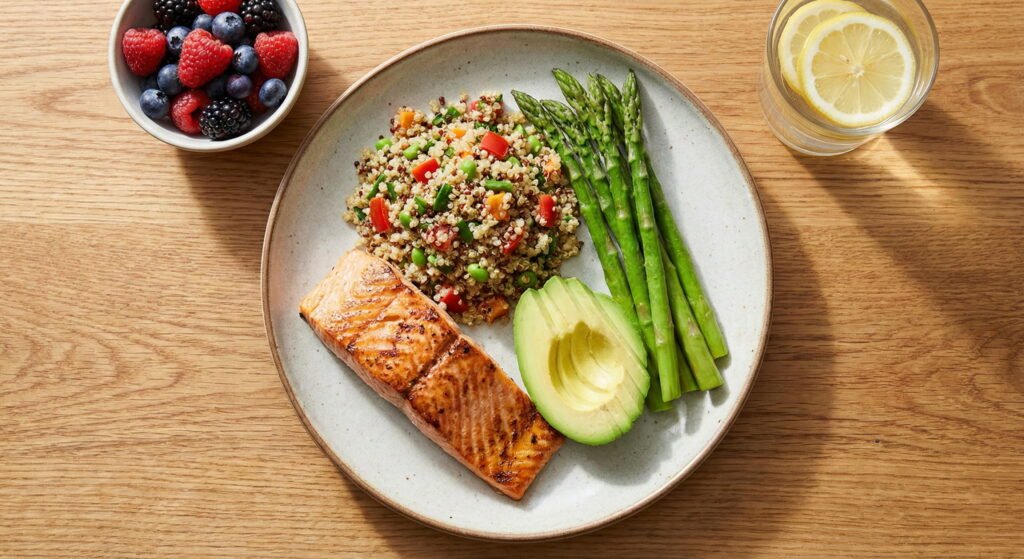
Why Your Food Choices Matter More During Ramadan
When you are eating three meals a day, your body has a constant supply of glucose (energy). During fasting, that supply is cut off. Your body has to run on its reserves.
If you fill up on junk food during the eating window, your body burns through it in an hour, leaving you tired for the next 14 hours. But if you choose nutrient-dense foods, you are essentially giving your body “slow-burning fuel” that lasts all day.
A proper diet during Ramadan helps you:
- Maintain energy levels (no midday naps required!).
- Prevent dehydration and headaches.
- Keep your blood sugar stable (goodbye, mood swings).
- Avoid that dreaded post-Iftar bloating.
Suhoor (Sehri): The Most Important Meal
Think of Suhoor as your body’s battery charging station. You wouldn’t leave the house with your phone at 10% battery, right? So don’t start a fast on an empty stomach or just a cup of tea.
The goal of Suhoor is to eat foods that digest slowly. You want energy that releases little by little over the next 8-10 hours.
1. Complex Carbohydrates (The Slow Burners)
White rice and white bread digest too fast. Swap them for “complex” carbs.
- Oats: A bowl of oatmeal is fantastic. It’s full of fiber and keeps you full for hours.
- Whole Wheat Roti/Bread: The fiber slows down digestion.
- Brown Rice: Much better than white rice for sustained energy.
2. Protein (The Hunger Stopper)
Protein is what signals your brain that you are full. If you include protein in Suhoor, you won’t feel hungry as quickly.
- Eggs: Boiled, poached, or an omelet—eggs are essential.
- Yogurt: Excellent for hydration and gut health.
- Chicken or Fish: A small portion can keep your energy steady.
- Lentils (Dal): A great plant-based protein source.
3. Hydrating Fruits and Veggies
You can “eat” your water too!
- Cucumber, Watermelon, and Oranges: These are packed with water.
- Bananas: A superhero fruit for Suhoor. It contains potassium, which helps prevent thirst and muscle cramps.
4. Water (But Don’t Overdo It)
Drink water, but sip it slowly. If you chug 3 glasses in 5 minutes, you will just pee it all out before Fajr prayers.
Iftar: Breaking the Fast the Right Way
The sun has set, you are hungry, and the table is full of delicious food. This is the danger zone! Overeating at Iftar is the #1 reason people gain weight and get sick during Ramadan.
1. The Traditional Start: Dates and Water
There is a reason why breaking the fast with dates is a Sunnah.
- Dates: They provide an immediate burst of natural sugar to wake up your brain and body. They are also packed with electrolytes like potassium and magnesium.
- Water: Your body is dehydrated. Start with 1-2 glasses of water to flush out toxins.
2. Keep It Light First
Don’t jump straight into a heavy biryani. Your stomach has been sleeping all day; wake it up gently.
- Soup: A warm bowl of lentil or vegetable soup comforts the stomach.
- Fruit Salad: Refreshing and easy to digest.
3. The Main Meal
After Maghrib prayers, have a balanced meal.
- Ideally: One portion of carbs (rice/roti), one portion of protein (meat/fish), and a HUGE portion of vegetables.
What to Avoid (The “Red Flags”)
We know, the fried fritters (samosas, pakoras, piyaju) smell amazing. And we are not saying you can never have them. But eating them every day is a recipe for disaster.
1. Fried and Oily Foods
Deep-fried foods are heavy. They take a long time to digest and can cause severe acidity, heartburn, and bloating. If you want to pray Taraweeh comfortably, skip the greasy stuff.
2. High Sugar Foods and Drinks
That bright red sugary sherbet or those heavy sweets? They are trouble. Sugar spikes your insulin rapidly. You get a burst of energy, and then you crash hard an hour later, feeling lethargic and sleepy. Plus, sugar makes you thirstier the next day.
3. Too Much Caffeine
If you love tea or coffee, be careful. Caffeine is a diuretic, which means it makes you urinate more. This leads to faster dehydration. Try to limit yourself to one cup, preferably not right at Suhoor time.
4. Salty Foods
Avoid pickles, salty crackers, or heavily salted curries at Suhoor. Sodium makes your body crave water, making the fast much harder.
Hydration: The Key to Survival
Dehydration is the biggest enemy during Ramadan. Since you can only drink at night, you need a strategy.
The “2-4-2” Rule:
- 2 glasses at Iftar.
- 4 glasses slowly between Iftar and bedtime.
- 2 glasses at Suhoor.
This ensures you get about 2 liters of water without feeling bloated.
Special Precautions: Who Needs to Be Careful?
Fasting is safe for most healthy adults, but some groups need to be extra cautious.
- Diabetics: Your blood sugar can drop dangerously low or spike too high. You absolutely must consult your doctor to adjust your medication timing.
- Hypertension (High Blood Pressure): Be careful with salty foods.
- Pregnant or Breastfeeding Women: Islam provides exemptions for a reason. If you choose to fast, nutrition is critical. Consult your OB-GYN.
- Those on Medication: Never skip doses. Ask your doctor if you can shift your dosage times to the night.
Conclusion
Ramadan is a test of patience, and that includes patience with food.
It is tempting to eat everything in sight once the call to prayer starts, but remember: Food is fuel, not entertainment.
By choosing complex carbs like oats for Suhoor, breaking your fast with dates and water, and avoiding the deep-fried trap, you will feel lighter, more energetic, and spiritually more connected.
Listen to your body. Eat slowly. Drink water. And have a blessed, healthy Ramadan!
⚠️ Disclaimer:
This article is for general informational and educational purposes only. It is not intended to be a substitute for professional medical advice, diagnosis, or treatment. Always seek the advice of your physician or other qualified health provider with any questions you may have regarding a medical condition or before starting a fast.