Nutritious Food for Kids: A Simple Guide for Happy, Healthy Eaters
Let’s be honest for a second: Feeding kids is one of the hardest jobs in the world.
One day they love bananas, and the next day, the very sight of a banana makes them cry. As parents, we worry. We worry if they are eating enough, if they are growing right, and if that chicken nugget obsession is going to last forever.
But here is the thing: Childhood is the most critical time for growth. Their bodies are like little construction sites, building bones, muscles, and a brain that needs to learn a million new things every day. To do all that work, they need the right fuel.
If you are confused about what to put on their plate (or how to get them to actually eat it), you are in the right place. Let’s break down the best nutritious foods for kids in a way that is simple, stress-free, and practical.
Why Does Nutrition Matter So Much Right Now?
Think of your child’s body like a high-performance race car. You wouldn’t put cheap, watery gas in a Ferrari, right? You would want the premium stuff.
Nutritious food does four main things for your child:
- Fuel for Growth: It ensures they reach their proper height and weight.
- Brain Power: It helps them concentrate in school and learn new skills.
- Immunity Shield: It fights off those nasty school bugs and colds.
- Stable Energy: It prevents those crazy sugar highs and cranky meltdowns.
Building these habits now sets the foundation for their entire life. So, what should be on the menu?
1. Milk and Dairy: The Bone Builders
We all know milk is good for kids, but do you know why? It’s the calcium and Vitamin D powerhouse. Children’s bones grow incredibly fast. To keep up, they need calcium to make those bones dense and strong.
- Milk: A glass of warm milk is classic for a reason.
- Yogurt: This is a superstar food. It has calcium, but it also has probiotics (good bacteria) that keep little tummies happy. Pro tip: Skip the sugary flavored yogurts. Buy plain yogurt and sweeten it yourself with a little honey or fresh fruit.
- Cheese: Most kids love cheese. It’s a great snack that provides protein and calcium.
2. Eggs: Nature’s Multivitamin
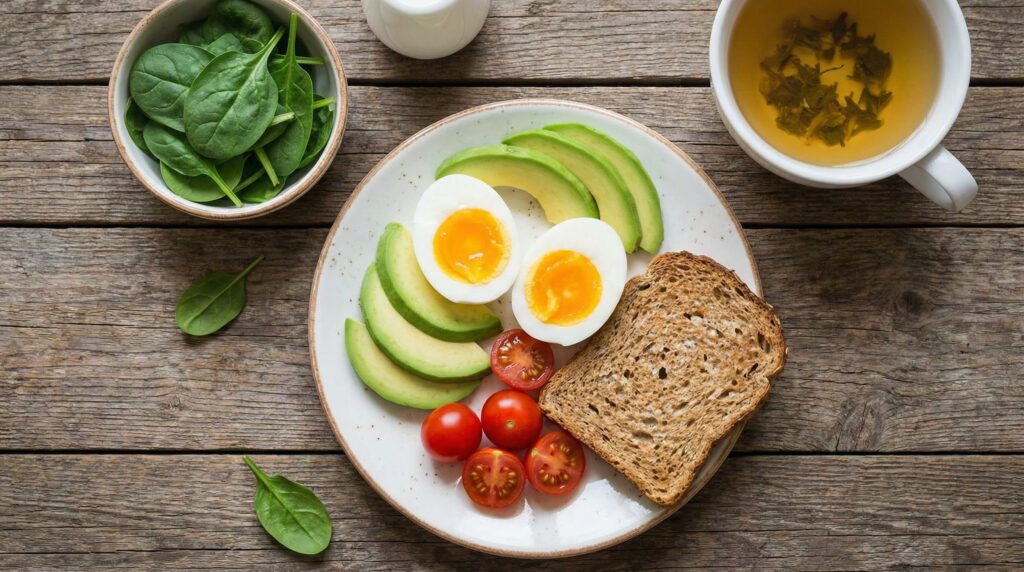
If there is one “superfood” for kids, it’s the humble egg. Eggs are packed with high-quality protein, which is essential for muscle growth. But more importantly, the yolk contains Choline. Choline is crucial for brain development and memory.
- How to serve: Boiled, scrambled, poached, or in an omelet. It’s an easy, quick breakfast that keeps them full until lunch.
3. Fish and Meat: The Brain and Body Boosters
Protein is the building block of the body.
- Fish: This is highly recommended because of Omega-3 fatty acids. Think of Omega-3s as “brain food.” They help with focus and vision.
- Chicken/Meat: These are excellent sources of Iron. Iron is what carries oxygen around the blood. If your child seems tired or pale often, they might need more iron-rich foods.
Note: If your child hates the texture of meat, try mincing it into meatballs or patties.
4. Pulses and Legumes: The Plant Power
Not every meal needs meat. Lentils (Dal), chickpeas, beans, and peas are fantastic sources of protein and fiber. Fiber is super important because it keeps their digestion regular (no more tummy aches!) and keeps their blood sugar stable.
- Idea: A warm bowl of lentil soup or a chickpea salad can be a comforting and healthy meal.
5. Vegetables: Eat the Rainbow
Ah, the vegetables. This is usually where the battle begins. Vegetables like carrots, spinach, pumpkin, cauliflower, and broccoli are loaded with vitamins, minerals, and antioxidants. They are essential for a strong immune system.
How to get them to eat it:
- Don’t force it: Pressuring them usually backfires.
- Be sneaky: Blend spinach into a smoothie, or grate carrots into pasta sauce.
- Make it fun: Cut veggies into fun shapes or serve them with a dip (like hummus or yogurt). Color matters—kids love bright colors!
6. Fruits: Nature’s Candy
Most kids have a sweet tooth. Instead of giving them a candy bar, give them fruit. Apples, bananas, oranges, papayas, and berries are packed with Vitamin C and fiber.
- Important Tip: Always choose whole fruit over fruit juice. Juice often lacks fiber and is just concentrated sugar. Eating an orange is way better than drinking orange juice.
7. Whole Grains: Long-Lasting Energy
Carbohydrates are not the enemy; they are the body’s main energy source. But the type of carb matters. White bread and sugary cereals give a quick burst of energy followed by a crash. Whole grains—like brown rice, whole wheat roti/bread, and oats—release energy slowly. This helps kids stay focused in class without getting fidgety or tired.
8. Nuts and Seeds: The Healthy Fats
Almonds, walnuts, flaxseeds, and pumpkin seeds are tiny but mighty. They contain healthy fats that are essential for nervous system development.
Safety First: For very young children, whole nuts can be a choking hazard. It’s better to crush them into a powder and sprinkle it on their porridge or yogurt.
9. Water: The Forgotten Nutrient
Hydration is key. Sometimes when a child is cranky or has a headache, they are just thirsty. Water helps regulate body temperature and keeps everything flowing smoothly.
- Encourage them to carry a water bottle.
- Avoid sodas and sweetened drinks—they are just liquid sugar with zero benefits.
Foods to Limit (The “Sometimes” Foods)
We don’t want to ban foods completely (that makes them want it more!), but we should limit the “junk.”
- Excess Sugar: Candy, chocolates, and cakes. Too much sugar weakens the immune system and causes cavities.
- Soft Drinks: These are terrible for kids’ bones and teeth.
- Fast Food: Burgers and fries are often loaded with unhealthy fats and salt.
- Processed Foods: If it comes in a crinkly packet and lasts for 2 years on a shelf, it’s probably not great for everyday eating.
5 Tips for Frustrated Parents
If your child is a picky eater, take a deep breath. You are doing a good job. Here are some tips to make mealtime easier:
- Stick to a Schedule: Kids thrive on routine. Try to have meals and snacks at roughly the same time every day.
- Eat Together: Children copy their parents. If they see you enjoying broccoli, they are more likely to try it.
- The “One Bite” Rule: Encourage them to try just one bite. If they don’t like it, fine. But they have to try.
- Be Patient: It can take 10-15 tries before a child likes a new food. Don’t give up after the first rejection.
- Get Them Involved: Let them pick out a vegetable at the grocery store or help stir the batter. If they help make it, they will want to eat it.
Conclusion
Feeding your child nutritious food doesn’t have to be complicated or expensive. It’s about going back to basics.
A balanced diet of milk, eggs, fresh vegetables, fruits, and whole grains is all they need to grow up strong, smart, and healthy.
Remember, you are building the foundation for their future health. It’s a marathon, not a sprint. There will be days when they only want to eat plain bread, and that’s okay. Just keep offering the good stuff, and eventually, they will get there.
You’ve got this!
⚠️ Disclaimer:
This article is for general informational and educational purposes only. It is not intended to be a substitute for professional medical advice, diagnosis, or treatment. Every child is different. If your child has specific allergies, growth issues, or health concerns, please consult a pediatrician or a registered dietitian.