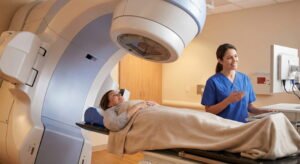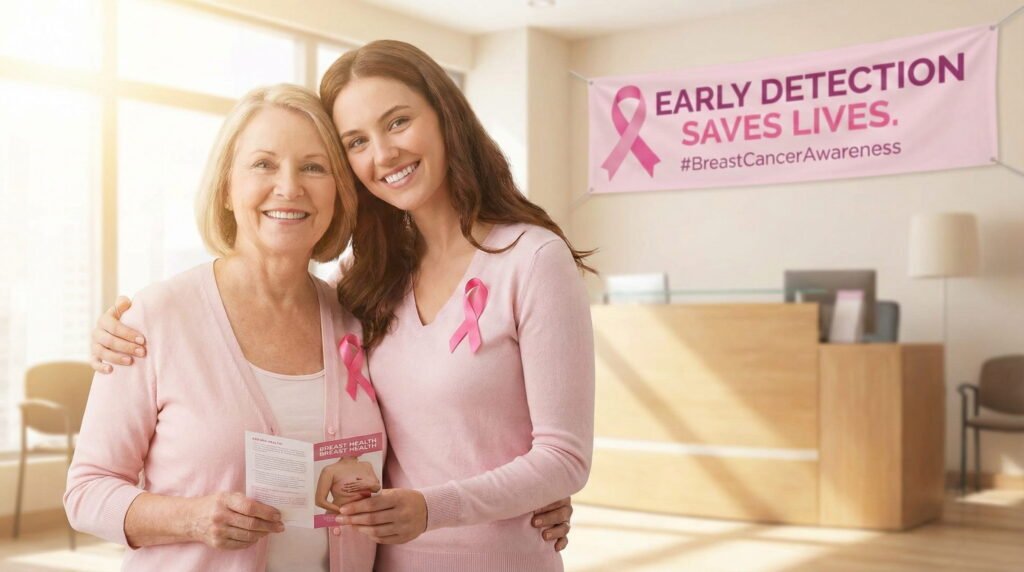
Breast cancer. It is a phrase that carries a heavy weight. For many women, just hearing these words brings up fear, anxiety, and silence.
In my medical practice, I often see women who hesitate to talk about changes in their bodies because they are scared of what they might find. But here is the most important truth I can tell you: Fear is not your enemy; silence is.
Breast cancer is one of the most common cancers worldwide, but it is also one of the most treatable ones—if caught early. Knowledge is your strongest shield.
In this article, let’s have an honest, open conversation about what breast cancer really is, the signs you shouldn’t ignore, and why there is so much hope today.
What Exactly Is Breast Cancer?
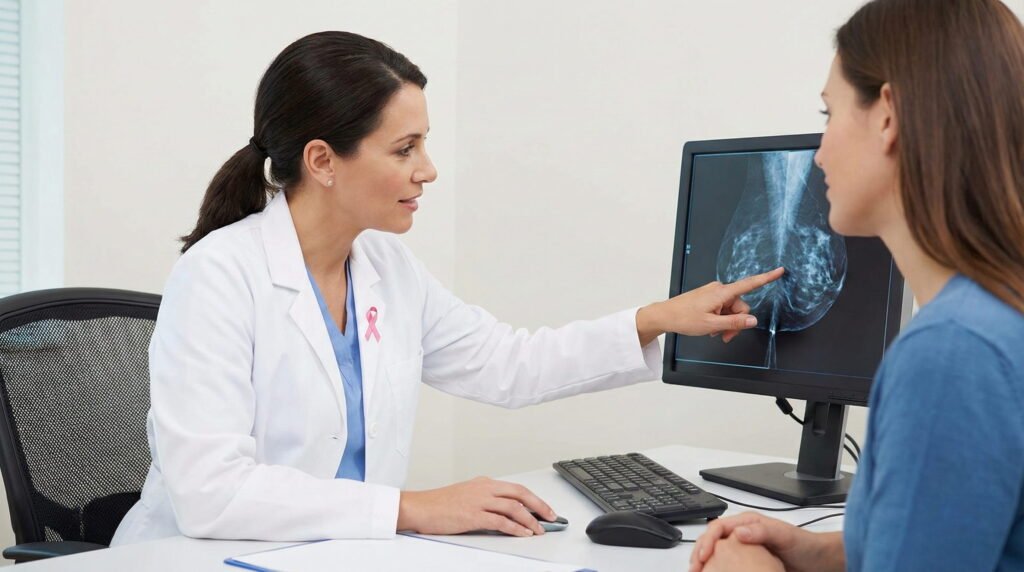
Simply put, breast cancer occurs when cells in the breast start growing out of control. These abnormal cells can form a mass or a lump.
However, please remember this: Not all lumps are cancer. Most breast lumps are benign (non-cancerous). They could be cysts or fibroids. But the only way to be 100% sure is to get them checked by a professional.
Myth vs. Reality: Is It Only for Older Women?
There is a common misconception that breast cancer only happens to women in their 50s or 60s. The Reality: While the risk does increase with age, breast cancer can affect younger women too. I have seen patients in their 20s and 30s. This is why being “breast aware” is essential, regardless of the number on your birthday cake.
5 Warning Signs You Should Never Ignore
Symptoms vary from woman to woman. Some have no symptoms at all in the early stages. However, here are the most common red flags:
1. A New Lump or Mass
This is the most well-known symptom. Feel for a hard lump or a thickening in the breast or underarm area. It usually feels different from the surrounding tissue.
2. Changes in Shape or Size
If one breast suddenly looks significantly larger than the other, or if the shape changes without any obvious reason (like pregnancy or weight gain), pay attention.
3. Skin Changes
Look at the skin on your breasts. Do you see:
- Redness or rash?
- Dimpling (looking like the skin of an orange)?
- Puckering or peeling?
4. Nipple Changes
Has your nipple turned inward (inverted) when it used to stick out? Or is there any discharge (liquid) coming out that isn’t breast milk? Bloody or clear discharge needs immediate medical attention.
5. The “No Pain” Myth
Many women think, “It doesn’t hurt, so it must be fine.” This is dangerous. Early-stage breast cancer is often painless. Do not wait for pain to appear before seeing a doctor.
Why Self-Examination Is Your Superpower
You know your body better than anyone else. I encourage every woman to perform a Breast Self-Exam once a month.
- When? Ideally, a few days after your period ends (when breasts are less tender).
- Why? It helps you understand what is “normal” for you. If you know your normal, you will spot the abnormal instantly.
Who Is at Risk?
While any woman can develop breast cancer, some factors increase the risk:
- Family History: If your mother, sister, or daughter had it.
- Genetics: Specific gene mutations (like BRCA1 and BRCA2).
- Lifestyle: Obesity, lack of exercise, and alcohol consumption.
Can It Be Prevented?
We cannot prevent it 100%, but we can lower the risk. Think of your lifestyle as your body’s defense system. Eating a balanced diet, maintaining a healthy weight, and staying active can significantly reduce your risk.
A Message of Hope
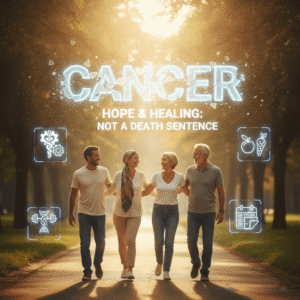
Finally, I want you to know that a breast cancer diagnosis is not a death sentence.
Medical science has advanced incredibly in the last decade. Survival rates are higher than ever before.
- Women are living long, full lives after treatment.
- Treatments are becoming more targeted and effective.
Conclusion
Talking about breast cancer doesn’t make it happen; it empowers you to stop it.
Don’t let fear keep you from the doctor’s office. If you notice a change, get it checked. It might be nothing, but checking it means everything.
Stay aware. Stay healthy.
⚠️ Medical Disclaimer: This article is for general awareness and educational purposes only. It is not a substitute for professional medical advice, diagnosis, or treatment. If you notice any changes in your breast or have a family history of cancer, please consult a specialist immediately.