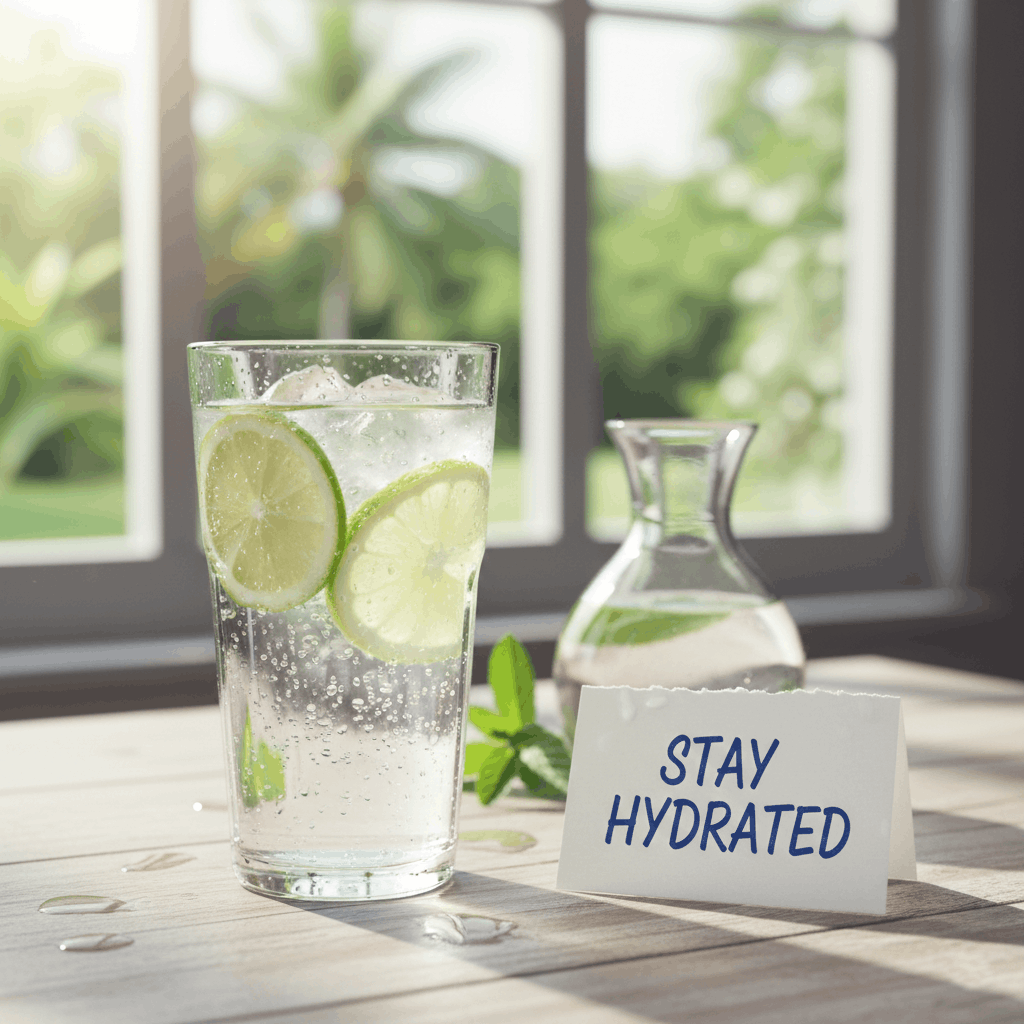
We all know that water is essential for life. In fact, it is the second most important thing for survival after oxygen. Our body is a complex machine, and about 60% to 70% of this machine is made of water. You can survive for weeks without food, but without water, your body cannot last more than a few days.
Despite knowing this, many of us fail to drink enough water. Whether it is due to a busy work schedule or simply not feeling thirsty, we often ignore our body’s need for fluids. This “silent problem” can lead to deep and long-term health issues. In this guide, we will dive deep into why water is so important and what happens when you don’t drink enough.
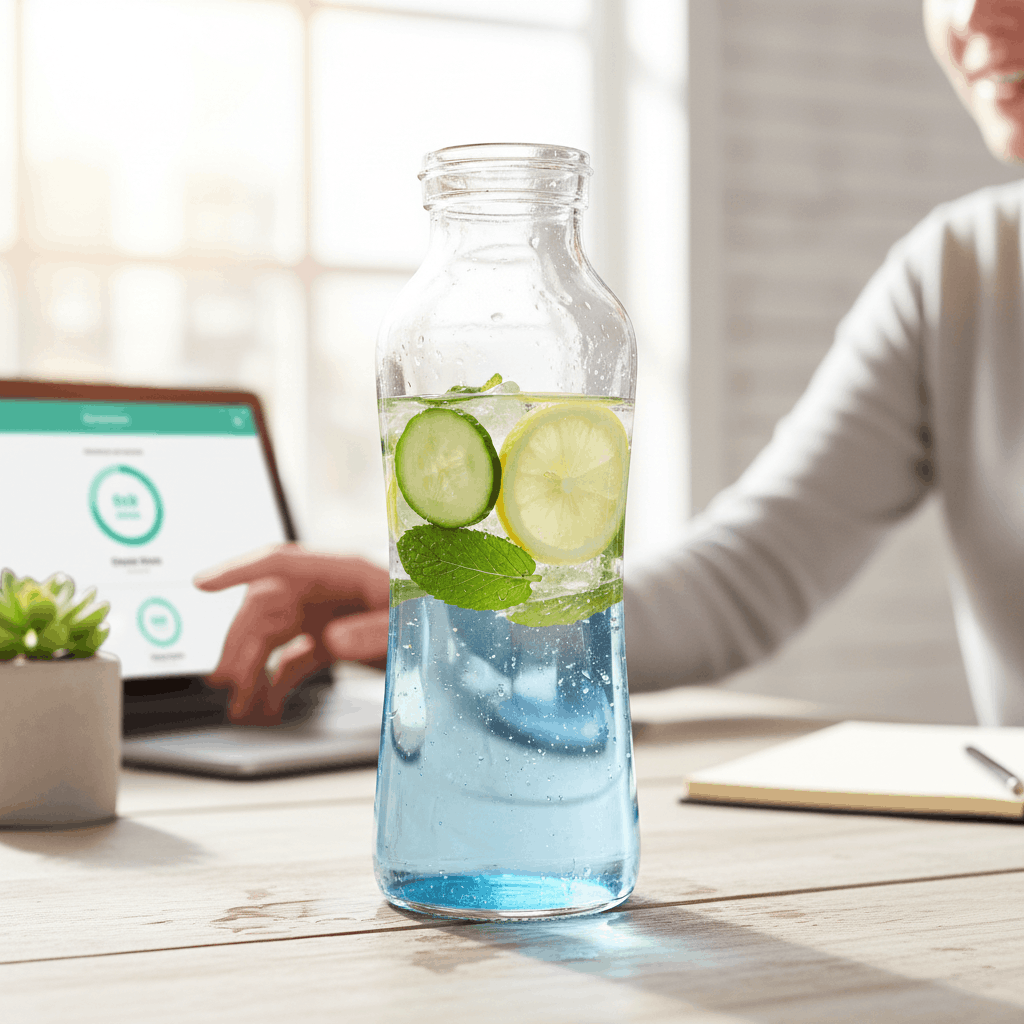
1. The Immediate Danger: Dehydration
The most direct result of low water intake is dehydration. When your body has less water than it needs, it cannot perform its basic functions.
How do you know you are dehydrated?
- Your mouth feels dry and sticky.
- Your skin becomes rough and loses its stretch.
- Your urine turns dark yellow or amber.
- You feel dizzy or lightheaded.
Even mild dehydration should not be ignored. It is the first sign that your organs are struggling to work.
2. Brain Function and Persistent Headaches
Have you ever had a headache that just won’t go away? Before reaching for medicine, try drinking a glass of water. Your brain is highly sensitive to water levels.
When you are dehydrated, the brain tissues actually shrink slightly away from the skull, causing pain. Also, low water levels reduce the oxygen supply to your brain. This results in:
- Difficulty focusing on tasks.
- Memory problems.
- Feeling sleepy or “foggy” all day.
For students and office workers, staying hydrated is the easiest way to keep the brain sharp.
3. The Secret to Good Digestion
Water is a natural lubricant for your digestive system. It helps break down the food you eat so that your body can absorb nutrients.
When you don’t drink enough water, your colon (large intestine) absorbs water from your food waste. This makes the stool hard and dry, leading to constipation. Regular water intake ensures that your digestive tract stays clean and your bowel movements remain smooth.
4. Protecting Your Kidneys
Your kidneys are like a filtration plant. They filter out toxins and waste from your blood and flush them out through urine.
To do this effectively, the kidneys need a constant flow of water. If you drink too little:
- Waste products build up in the body.
- The risk of kidney stones increases significantly because minerals crystallize in the absence of enough fluid.
- In the long run, it can lead to chronic kidney disease.
5. Skin Health: Beauty from Within
Many people spend thousands on expensive moisturizers and serums. But the best “beauty product” is free: Water.
Dehydration makes your skin look dry, tight, and flaky. It loses its natural glow and elasticity. More importantly, lack of water can lead to premature aging and wrinkles. Drinking enough water keeps the skin plump and hydrated from the inside out.
6. Fighting Fatigue and Boosting Energy
Do you feel exhausted even if you haven’t done much work? This could be a sign of “internal thirst.”
When you are low on water, your blood volume drops, and your heart has to work harder to pump blood. This leads to:
- General body weakness.
- A feeling of laziness or “low battery”.
- Reduced physical performance during exercise.
A glass of water can often give you more energy than a cup of coffee.
7. Weight Loss and Metabolism
Water is a powerful tool for weight management. Sometimes, the brain confuses the signal for thirst with the signal for hunger. So, you might eat a snack when your body actually just needs a drink.
Studies show that drinking water can:
- Boost your metabolism by helping the body burn calories faster.
- Help you feel full. Drinking water before a meal can prevent overeating.
8. Eliminating Bad Breath
Bad breath (halitosis) is often caused by a dry mouth. Saliva has antibacterial properties that keep your mouth clean.
When you are dehydrated, you produce less saliva. This allows bacteria to grow on your tongue and teeth, causing an unpleasant smell. Drinking water throughout the day washes away food particles and keeps your breath fresh.
9. Temperature Control and Sweating
Water helps your body maintain a steady temperature. When you get too hot, your body releases water as sweat. As the sweat evaporates, it cools you down.
Without enough water, you can’t sweat enough to cool off. This can lead to overheating, heat exhaustion, or even heatstroke, especially in hot weather or during sports.
10. Long-term Chronic Risks
Chronic dehydration—not drinking enough water over many years—can lead to permanent damage. It affects your joints (which need water for lubrication), your heart health, and your immune system. It is not just a daily inconvenience; it is a long-term threat to your life.
How Much Water Do You Really Need?
The common advice is to drink 8 to 10 glasses of water a day. However, your needs might be higher if:
- The weather is very hot or humid.
- You are physically active or exercise daily.
- You are pregnant or breastfeeding.
The easiest rule to follow is: Don’t wait until you are thirsty. By the time you feel thirsty, your body is already slightly dehydrated.
Conclusion
Water is the simplest medicine available to us. It keeps our brain sharp, our skin glowing, and our organs running smoothly. Making a habit of carrying a water bottle can change your health forever. Remember, staying healthy isn’t always about complex diets; sometimes, it’s just about drinking enough water.
Disclaimer: This article provides general health information and is not a substitute for professional medical advice. If you have underlying health conditions like heart or kidney issues, please consult your doctor regarding your daily fluid intake.