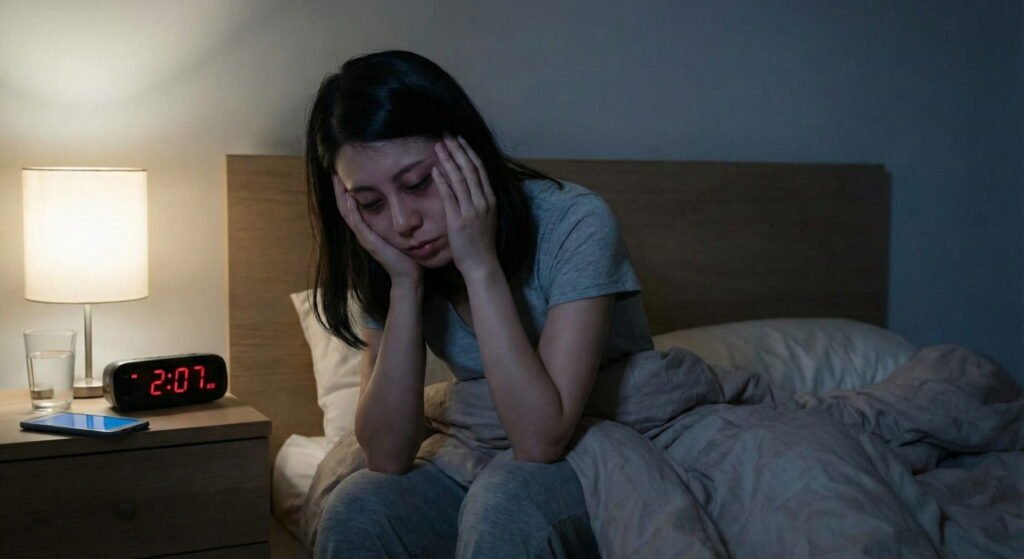
Let’s be real. In today’s world, sleep feels like a luxury.
Between working late, scrolling through social media, and binge-watching our favorite shows, sleep is usually the first thing we sacrifice. We tell ourselves, “I’ll just drink extra coffee tomorrow.”
But sleep isn’t just about “resting.” It is an active state where your body repairs itself. It’s when your brain files away memories, your muscles recover, and your hormones reset.
When you cut that process short, your body doesn’t just get tired—it starts to malfunction.
In this article, we are going to look at exactly what happens to your body when you run on empty, and why you need to prioritize your pillow time.
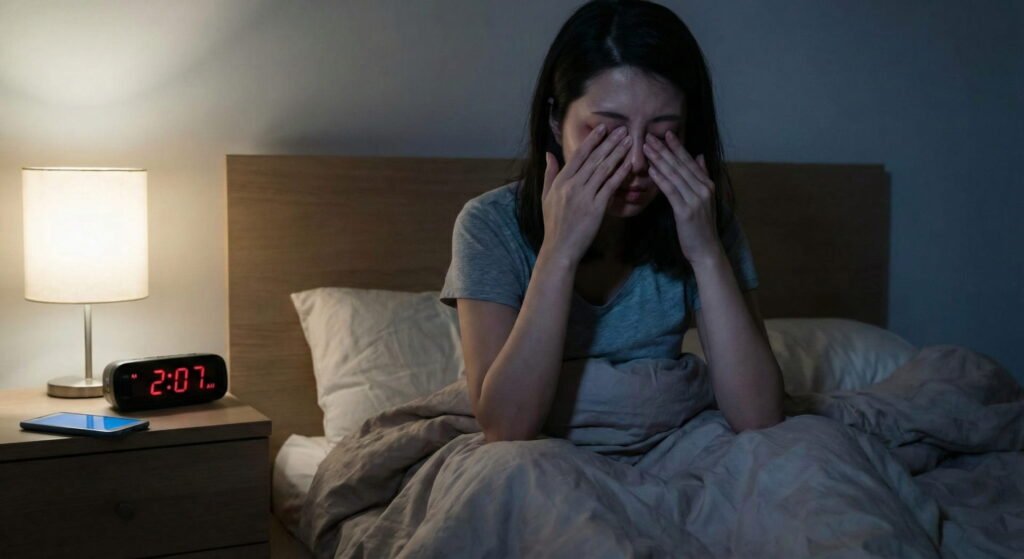
Why Is Sleep So Critical?
Think of your body like a smartphone. You use it all day, and the battery drains. Sleep is the charger. If you only charge your phone to 40%, it’s going to die by noon. Your body works the same way.
During sleep:
- Cells Repair: Your body fixes damaged tissues.
- Brain Detox: Your brain literally flushes out toxins built up during the day.
- Immunity Boost: Your defense system strengthens itself to fight germs.
So, what happens when you pull the plug too early?
1. You Become a Zombie (Brain Fog & Focus)
Have you ever stared at a computer screen for 10 minutes and realized you haven’t read a single word? That’s sleep deprivation. Without rest, your neurons struggle to communicate.
- You make more mistakes.
- Your reaction time slows down (which is dangerous if you are driving).
- Your memory fails. You might forget where you put your keys or what you just walked into the room for.
2. You Get “Hangry” and Emotional
We’ve all been there. You didn’t sleep well, and now everything is annoying. The traffic, the coffee machine, your coworker’s loud typing. Lack of sleep messes with the part of your brain that controls emotions. You become irritable, anxious, and prone to mood swings. Long-term sleep deprivation is even linked to depression.
3. The Weight Gain Trap
This is a surprising one. You are awake longer, so you should be burning more calories, right? Wrong. Sleep deprivation ruins your appetite hormones.
- It increases Ghrelin (the hormone that tells you “I’m hungry”).
- It decreases Leptin (the hormone that says “I’m full”).
This is why, when you are tired, you don’t crave a salad. You crave sugar, carbs, and junk food. If you are trying to lose weight, sleep is just as important as the gym.
4. Your Immune System Crashes
Do you feel like you catch every cold or flu that goes around? When you sleep, your immune system releases proteins called cytokines, which help fight infection. If you don’t sleep, you have fewer of these defenders. Basically, lack of sleep leaves your body’s front door open for viruses.
5. Serious Heart Risks
Sleep is when your heart gets a break. Your blood pressure drops, and your heart rate slows down. If you are constantly awake or sleeping poorly, your blood pressure stays higher for longer. Over time, this increases the risk of:
- High blood pressure.
- Heart disease.
- Stroke.
6. The Diabetes Connection
Sleep affects how your body processes glucose (sugar). Even a few days of bad sleep can make your body process sugar slower, leading to higher blood sugar levels. Long-term, this is a significant risk factor for Type 2 Diabetes.
7. Your Skin Ages Faster
They call it “Beauty Sleep” for a reason. When you are tired, your body releases more cortisol (stress hormone). Cortisol breaks down skin collagen, the protein that keeps your skin smooth and elastic. The result? More wrinkles, dull skin, and those dreaded dark circles under your eyes.
How Much Sleep Do You Really Need?
It varies by age, but here is the general rule:
- Adults: 7 to 9 hours.
- Teenagers: 8 to 10 hours.
- Children: 9 to 12 hours (depending on age).
If you are sleeping 5 hours a night and think you are “fine,” you are likely just used to functioning at a lower level.
Quick Tips to Fix Your Sleep
- Stick to a Schedule: Wake up and go to bed at the same time every day (even on weekends).
- Ditch the Phone: The blue light from your screen tricks your brain into thinking it’s daytime. Put the phone away 1 hour before bed.
- Cut the Caffeine: No coffee after 2 PM.
- Cool & Dark: Make your bedroom a cave. Cool, dark, and quiet is best for deep sleep.
Conclusion
Sleep isn’t for the weak; it’s for the wise.
Sacrificing sleep might seem like a way to get more done, but it actually kills your productivity and hurts your health. Tonight, make a promise to yourself. Put the phone down, dim the lights, and give your body the 8 hours it deserves. You will wake up feeling like a new person.
⚠️ Disclaimer:
This article is for general informational and educational purposes only. It is not intended to be a substitute for professional medical advice, diagnosis, or treatment. If you suffer from chronic insomnia or sleep apnea, please consult a doctor.